
A great Thai massage is not simply about applying strong pressure or performing impressive stretches. Behind an effective and comfortable treatment is a skilled practitioner who understands how to combine technique, touch, movement, timing, and communication.
Traditional Thai massage is a hands-on practice that can involve rhythmic pressure, compression, assisted stretching, joint mobilisation, and work along different areas of the body. Because every person has a different body, level of flexibility, and tolerance for pressure, the therapist's ability to adapt is an important part of the experience.
For visitors looking for an authentic Thai massage in Bangkok or elsewhere in Thailand, understanding the characteristics of a skilled therapist can help when choosing where to receive treatment.
Understanding Traditional Thai Massage
Traditional Thai massage, commonly known as Nuad Thai, has developed as an important part of Thailand's traditional wellness culture.
Unlike an oil-based relaxation massage, traditional Thai massage is generally performed fully clothed and often incorporates stretching and assisted movement. The therapist may use the hands, thumbs, palms, forearms, elbows, knees, and feet depending on the technique and training.
A skilled practitioner understands that these techniques are not simply a collection of movements to be performed one after another.
The quality of the treatment depends on how the techniques are applied, how pressure is adjusted, and how the therapist responds to the person receiving the massage.
Strong Knowledge of Thai Massage Techniques
Technical knowledge is one of the foundations of professional Thai massage.
A well-trained therapist should understand the principles behind different pressure techniques, stretches, compressions, and movements rather than relying on memorised sequences alone.
They should know how to work systematically through the body and understand how different techniques affect different areas.
Experience also helps a therapist recognise when a particular technique should be modified rather than applied automatically.
Sensitive and Controlled Touch
Thai massage can involve firm pressure, but strength alone does not define a skilled therapist.
An experienced practitioner develops sensitivity through their hands and learns to recognise differences in muscle tension, resistance, and movement.
Instead of simply pressing harder, the therapist can adjust the intensity, speed, duration, and location of pressure.
This sensitivity helps create a treatment that feels purposeful rather than mechanical.
The Ability to Adjust Pressure
Every client has different preferences.
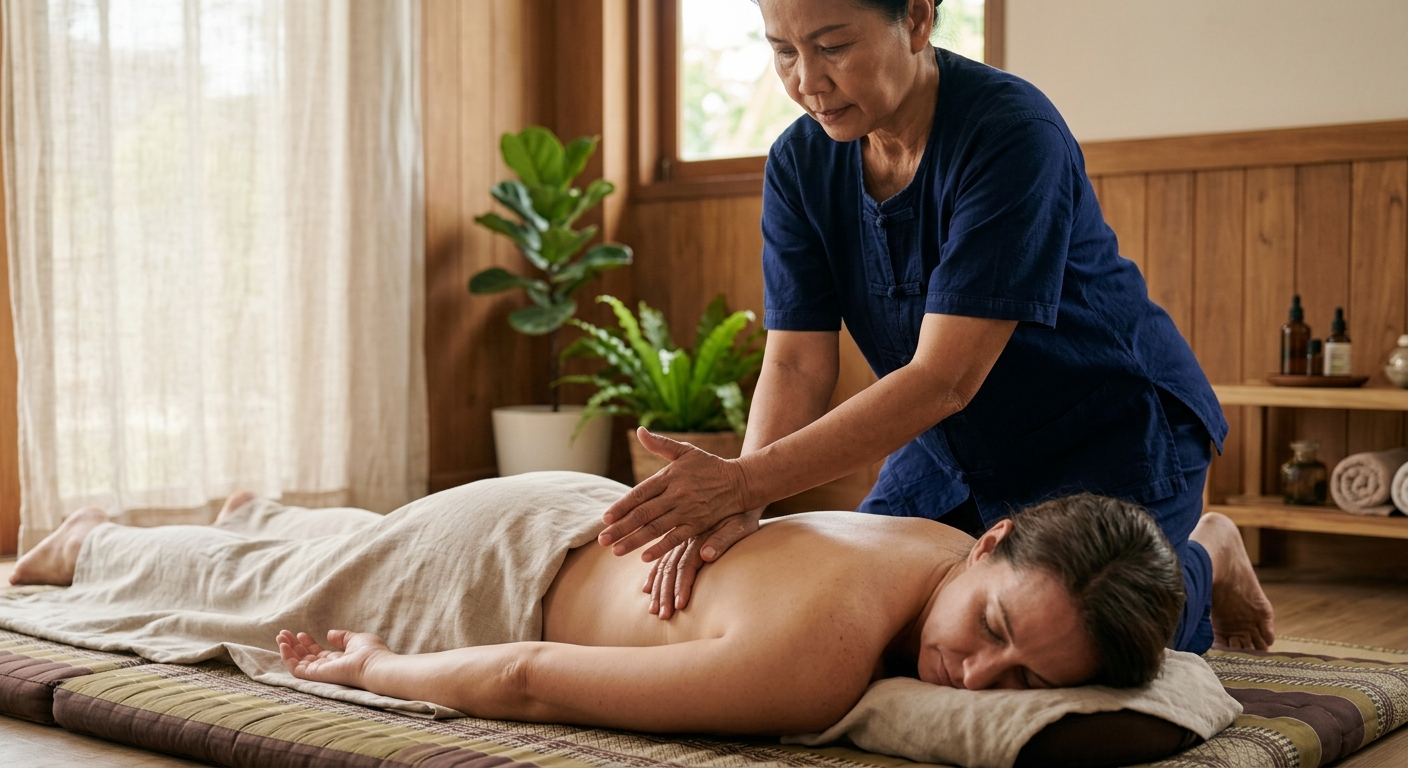
Some people enjoy firm pressure, while others prefer a gentler approach. A person who regularly receives massage may also have different expectations from someone experiencing Thai massage for the first time.
A skilled therapist asks about pressure preferences and pays attention to the client's responses throughout the treatment.
They understand that more pressure does not necessarily mean a better massage.
The objective is to provide appropriate bodywork while keeping the client comfortable and allowing the treatment to progress naturally.
Good Communication
Communication is an important part of professional massage therapy.
Before beginning, a therapist may ask about areas of concern, previous injuries, physical limitations, or preferred pressure.
During the treatment, they should remain receptive when the client communicates discomfort or requests an adjustment.
Simple communication can make a significant difference. If a stretch feels too strong or pressure needs to be reduced, the client should feel comfortable speaking up.
A skilled therapist welcomes this feedback rather than treating it as an interruption.
Understanding of Body Movement
Traditional Thai massage involves much more than stationary pressure.
Assisted stretching and controlled movement are important components of many Thai massage sequences. The therapist guides the client's body through different positions while maintaining control of the movement.
This requires an understanding of balance, range of motion, positioning, and body mechanics.
A skilled therapist does not force a client into a position simply because it is part of a traditional sequence. Instead, they adapt the movement according to the person's flexibility and comfort.
Excellent Body Mechanics
The therapist's own body mechanics are another important characteristic of professional Thai massage.
Thai massage can require considerable physical effort. Skilled practitioners learn how to use their body weight, posture, positioning, and leverage efficiently rather than relying solely on muscular strength.
A therapist may use their palms, forearms, elbows, knees, or feet while maintaining stable positioning.
Good body mechanics can help create smoother movements and more controlled pressure while reducing unnecessary strain on the practitioner.
Patience and Rhythm
Thai massage often has a distinctive rhythm.
Rather than moving rapidly from one technique to another, an experienced therapist may use repeated compressions, pauses, stretches, and transitions to create a steady flow.
Patience allows the practitioner to spend appropriate time on different areas instead of rushing through the treatment.
The rhythm of the session can also contribute to the client's sense of relaxation.
Attention to the Individual Client
A skilled therapist understands that no two bodies are exactly alike.
One client may have naturally flexible hips, while another may have limited movement. Someone who spends long hours at a desk may experience different areas of muscular tension from someone who regularly exercises.
Rather than providing exactly the same treatment to everyone, an attentive practitioner makes appropriate adjustments.
This individual approach is one of the characteristics that can distinguish an experienced therapist from someone simply following a fixed routine.
Respect for Traditional Practice
Authenticity is not only about performing traditional techniques.
A knowledgeable Thai massage practitioner should understand the cultural background and traditions associated with the practice.
Thai massage has a long history within Thai wellness and traditional medicine. Respecting that heritage can influence how the therapist approaches the treatment, from the preparation of the space to the manner in which techniques are performed.
For visitors interested in experiencing traditional Thai massage in Thailand, this cultural dimension can make the treatment more meaningful.
A Calm and Professional Presence
The therapist's attitude can have a significant effect on the overall experience.
A professional practitioner should create an environment where the client feels comfortable and respected.
A calm manner, attentive listening, appropriate communication, and respectful behaviour all contribute to a positive treatment experience.
The quality of a massage is not determined only by physical technique. The relationship between practitioner and client also matters.
Knowing When Not to Push
One of the clearest signs of experience is knowing when to modify or stop a technique.
Thai massage may include strong pressure and stretching, but discomfort should not automatically be interpreted as a sign that the treatment is working better.
A skilled therapist pays attention to verbal feedback and physical responses.
If a client experiences sharp pain, unusual discomfort, or difficulty with a movement, the therapist should respond appropriately rather than continuing with the same technique.
This awareness is particularly important when working with people who have limited flexibility or specific physical concerns.
Professional Hygiene and Preparation
Technical ability should be accompanied by professional standards.
A reputable Thai massage environment should maintain clean treatment areas, fresh linens or appropriate coverings, and good personal hygiene.
The therapist should also prepare the client properly and explain what to expect when necessary.
These details may seem simple, but they contribute significantly to the client's comfort and confidence.
Continued Learning and Experience
Thai massage is a broad discipline with different approaches, traditions, and techniques.
Experienced practitioners can continue developing their skills through additional training, observation, and practical experience.
Continued learning can help therapists refine their understanding of body movement, pressure, stretching, and client communication.
When selecting a massage centre, it can therefore be useful to consider the therapist's training and experience rather than focusing only on the price or appearance of the establishment.
How Can You Recognise a Skilled Thai Massage Therapist?
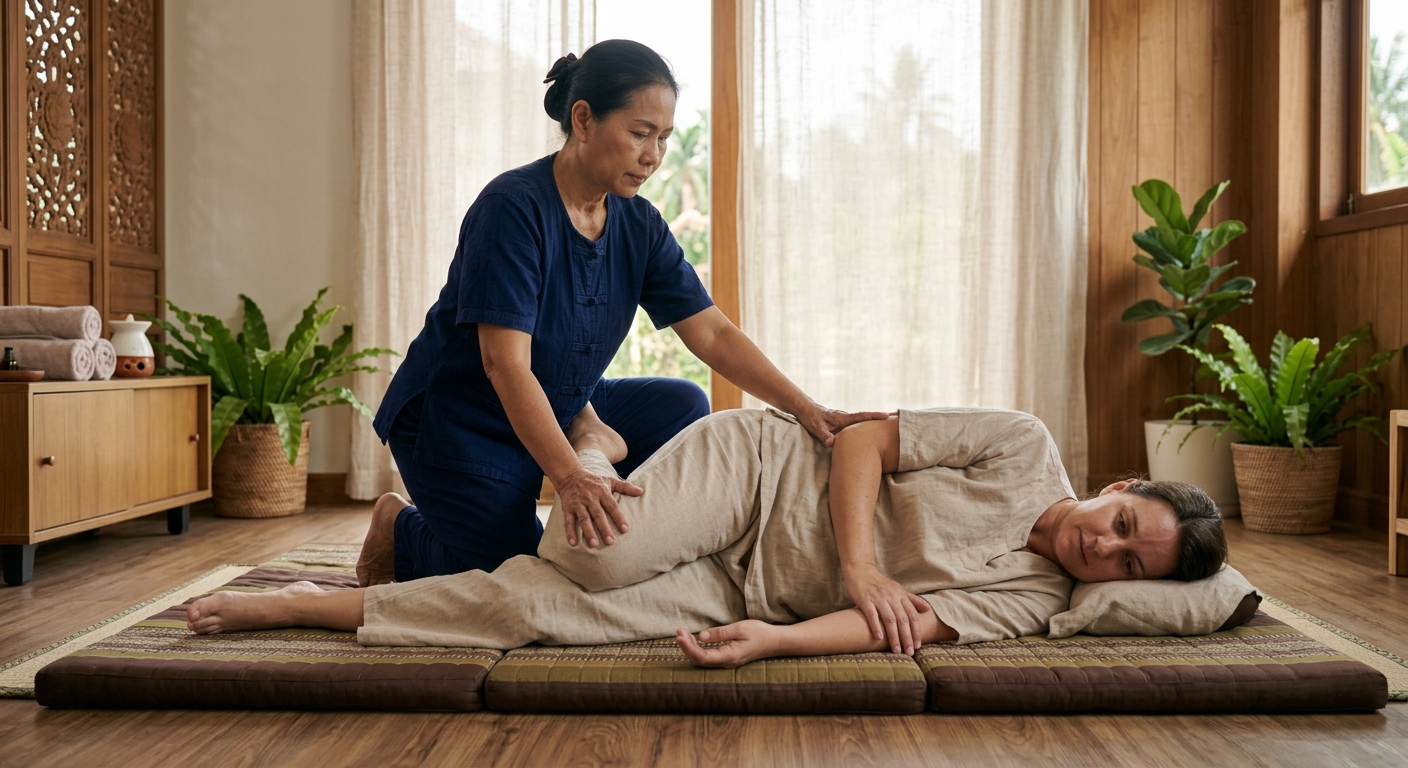
When choosing a Thai massage practitioner, look for several qualities working together.
A professional therapist will generally:
- Ask about your preferences and relevant physical concerns.
- Explain the treatment when necessary.
- Use controlled and deliberate movements.
- Adjust pressure according to your response.
- Avoid forcing stretches beyond a comfortable range.
- Communicate respectfully.
- Maintain appropriate hygiene.
- Work with good posture and body mechanics.
- Adapt techniques to the individual.
- Create a calm and professional treatment environment.
No single characteristic guarantees that a practitioner will be the right fit for every client. Personal preferences also matter.
The Importance of Communication During Thai Massage
Even with an experienced therapist, communication remains essential.
Before the treatment begins, tell your therapist if you prefer light, medium, or firm pressure. Mention areas that require particular attention and explain any movements that you would prefer to avoid.
During the session, speak up if something does not feel right.
Useful feedback can be as simple as:
- “A little lighter, please.”
- “That pressure is comfortable.”
- “Please avoid this area.”
- “That stretch feels too strong.”
- “Could you spend more time on my shoulders?”
Good communication allows the therapist to personalise the experience while helping the client remain comfortable.
Finding the Right Thai Massage Therapist in Bangkok
Bangkok offers a wide range of massage experiences, from traditional local establishments to modern wellness centres and luxury spas.
When choosing a practitioner, consider more than the treatment price.
Look for information about the therapist's training, the type of Thai massage offered, the reputation of the establishment, hygiene standards, and the way staff communicate with clients.
If you are specifically looking for traditional Thai massage, check whether the treatment description clearly explains the techniques and approach rather than assuming that every massage labelled “Thai” follows exactly the same method.
More Than Pressure: The Skill Behind the Touch
The art of Thai massage lies in the details.
A skilled therapist does not simply press harder, stretch further, or move faster. They understand how to combine pressure, rhythm, movement, positioning, timing, and sensitivity to create a treatment that responds to the individual.
For visitors discovering Thai massage for the first time, the practitioner can make a significant difference to the experience.
Whether you are seeking relaxation after exploring Bangkok, looking for a traditional wellness experience, or simply curious about Thailand's renowned massage culture, choosing a knowledgeable and attentive therapist can help you appreciate the distinctive art of Thai massage.
The most memorable treatments are often not defined by how forceful they are, but by how thoughtfully the therapist works with the person on the mat.