
Thai wellness is rooted in a holistic understanding of the human body, mind, and spirit. Rather than viewing well-being as simply the absence of illness, traditional Thai healing practices emphasize balance, harmony, and the natural flow of energy throughout the body. At the heart of this philosophy is the concept of the four elements: Earth, Wind, Fire, and Water.
Known in Thai traditional medicine as That Thang Si (ธาตุทั้งสี่), these elements represent different qualities and functions of the human body. They offer a traditional framework for understanding physical comfort, vitality, and the body's relationship with its environment. This elemental perspective has influenced Thai massage, herbal therapies, traditional remedies, and other wellness practices for generations.
In modern life, where stress, sedentary habits, and constant stimulation can leave people feeling physically tense and mentally overwhelmed, the wisdom of elemental healing offers a meaningful way to reconnect with the body. Through therapeutic touch, mindful breathing, warmth, and relaxation, Thai wellness practices encourage a greater sense of balance and well-being.
Discover how Earth, Wind, Fire, and Water shape the philosophy of traditional Thai wellness and how their principles can inspire a more balanced approach to everyday self-care.
Earth: The Foundation of Strength and Stability
In traditional Thai medicine, the Earth element, known as That Din (ธาตุดิน), represents the solid structures of the body. It is associated with physical foundations that provide strength, support, and stability, including bones, muscles, tendons, skin, and other solid tissues.
Earth symbolizes grounding and resilience. Just as the earth provides a stable foundation for life, the Earth element represents the body's ability to maintain structure, support movement, and withstand daily physical demands.
How the Earth Element Relates to Thai Massage
Traditional Thai massage places considerable emphasis on the muscles, joints, and connective tissues that support movement. Through a combination of rhythmic pressure, assisted stretching, and carefully applied bodywork, practitioners work to relieve muscular tension and encourage comfortable movement.
These techniques can be particularly appealing to people who spend long hours sitting at a desk, standing throughout the day, or performing repetitive physical activities. Gentle stretching and massage may help ease feelings of stiffness, improve flexibility, and promote relaxation.
The grounding quality associated with Earth is also reflected in the way traditional Thai massage is performed. Practitioners often use their palms, thumbs, elbows, and sometimes their feet to apply controlled pressure. The steady rhythm of these movements can help clients settle into the experience and become more aware of their bodies.
The Importance of Grounding in Modern Wellness
Feeling grounded involves more than physical stability. It also refers to the experience of feeling present, calm, and connected to the body.
A relaxing massage in a peaceful environment can provide an opportunity to step away from daily distractions. The combination of supportive positioning, deliberate movements, and a comfortable atmosphere may help create a greater sense of physical ease and mental relaxation.
For individuals experiencing everyday muscular tension or fatigue, Earth-inspired wellness offers a reminder that caring for the body's physical foundation is an important part of overall self-care.
Wind: The Flow of Energy and Movement
The Wind element, known in Thai as That Lom (ธาตุลม), represents movement, circulation, and motion within the body. In traditional Thai medicine, it is associated with the movement of breath and other bodily processes.
Wind is particularly relevant to Thai massage because of its connection with the body's energy pathways, commonly known as Sen lines. Traditional Thai massage practitioners work with these pathways as part of a holistic approach to physical balance and well-being.
It is important to understand that Sen lines belong to the traditional Thai healing framework rather than being established anatomical structures equivalent to nerves or blood vessels.
Sen Lines and Traditional Thai Massage
Traditional Thai massage incorporates rhythmic pressure along selected areas of the body, stretching, and assisted movement. These techniques are intended within the traditional framework to support the movement of energy and help restore a sense of balance.
From a contemporary wellness perspective, massage and gentle movement may help relieve muscular discomfort, promote relaxation, and improve the subjective experience of mobility. The exact effects depend on the individual, the techniques used, and their overall health.
The Wind element also highlights the importance of breathing. Slow, comfortable breathing can help people relax during a massage and become more attentive to sensations throughout the body.
Breathing, Relaxation, and Inner Balance
Modern lifestyles frequently encourage shallow breathing, prolonged sitting, and limited physical movement. Over time, these habits may contribute to feelings of stiffness and stress.
Incorporating gentle breathing exercises into a wellness routine can encourage relaxation and body awareness. During a Thai massage session, allowing the breath to remain natural and unforced may help clients feel more comfortable as the practitioner guides them through stretches and movements.
Wind-inspired wellness therefore emphasizes fluidity rather than force. It encourages the body to move comfortably, the breath to flow naturally, and the mind to become less occupied with external distractions.
Fire: The Source of Warmth and Vitality
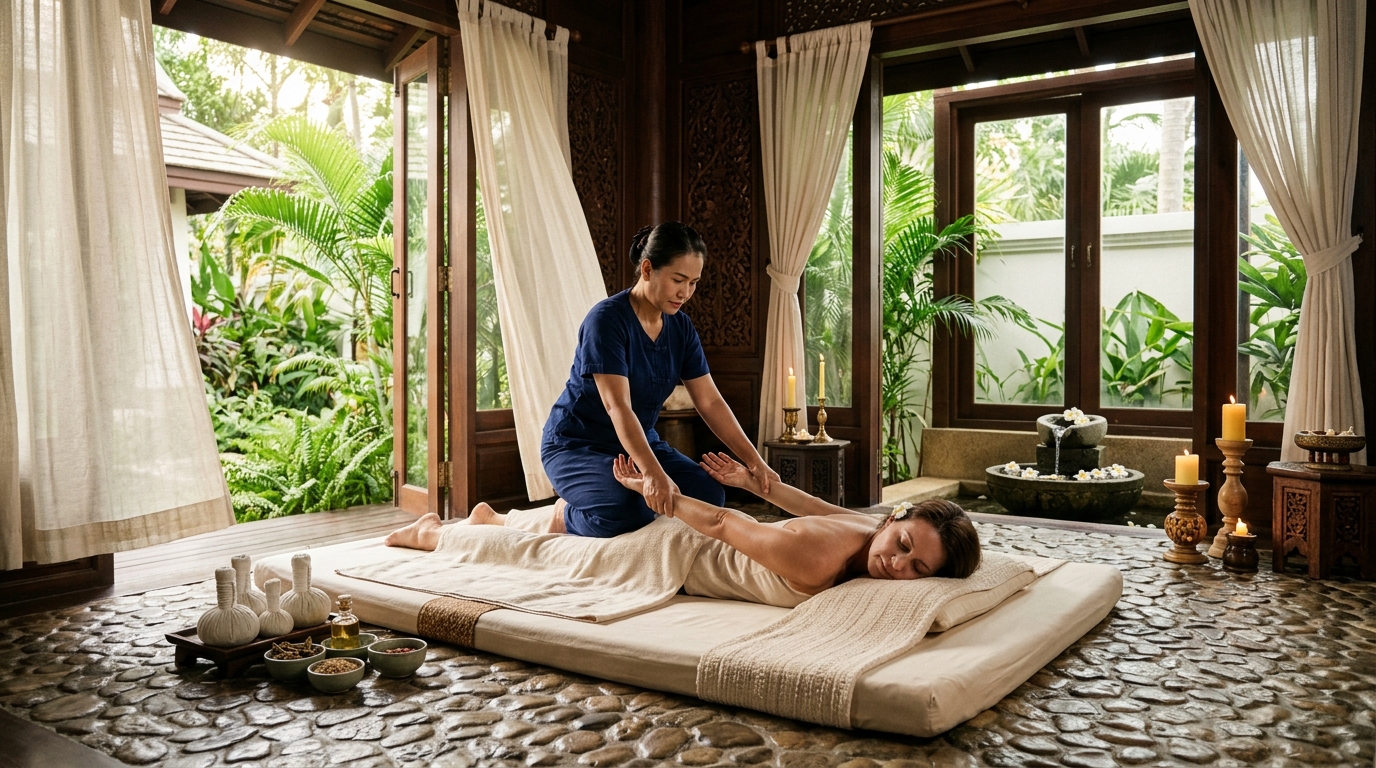
The Fire element, known as That Fai (ธาตุไฟ), represents warmth, transformation, and the body's vital processes in traditional Thai medicine. It is associated with functions such as digestion, metabolism, and the maintenance of body temperature.
Within the elemental philosophy, Fire symbolizes the energy that supports transformation and vitality. It reminds us that the body requires appropriate nourishment, rest, and care to sustain its everyday functions.
The Role of Warmth in Thai Wellness
Warmth has long been incorporated into traditional Thai wellness practices. Herbal compresses, warm oils in selected massage treatments, and soothing bathing rituals can contribute to a comforting and relaxing experience.
A traditional Thai herbal compress, known as Luk Pra Kob, typically contains a selection of herbs wrapped in cloth. The compress is warmed and applied to the body using techniques appropriate to the treatment.
Depending on the herbs used and the practitioner's approach, the compress may provide a pleasant herbal aroma alongside gentle warmth. The experience can help clients feel relaxed and may temporarily ease feelings of muscular tension.
Warmth can also make a wellness ritual feel more soothing, particularly when combined with slow, rhythmic massage in a comfortable environment.
Fire and the Feeling of Renewal
The symbolism of Fire extends beyond physical warmth. It can also represent renewal, energy, and the transition from tension to relaxation.
After a demanding day, a carefully delivered massage or warm herbal compress treatment may help create a sense of comfort and encourage the body to unwind. This can be especially valuable when stress contributes to muscular tightness or difficulty relaxing.
However, more heat is not necessarily better. Warm treatments should always be applied at a comfortable, safe temperature. People with reduced skin sensation, certain medical conditions, or sensitivity to heat should seek appropriate advice before receiving heat-based therapies.
Fire-inspired wellness ultimately celebrates the restorative quality of warmth while emphasizing moderation, comfort, and respect for individual needs.
Water: The Essence of Fluidity and Nourishment
The Water element, known as That Nam (ธาตุน้ำ), represents the body's fluids and the processes that help maintain internal balance. In traditional Thai medicine, it is associated with substances such as blood, saliva, and other bodily fluids.
Water symbolizes adaptability, nourishment, and continuity. Like water moving through the natural environment, it represents the importance of maintaining the body's essential functions and responding to changing needs.
Water and the Thai Wellness Experience
Water plays a practical and symbolic role in many wellness traditions. In a spa environment, it may appear through bathing rituals, foot soaks, warm towels, herbal preparations, and the simple provision of drinking water before or after a treatment.
These elements contribute to the overall experience of comfort and care. A warm foot soak, for example, can provide a gentle transition from the demands of daily life into a relaxing treatment. A refreshing drink after a massage can also be a pleasant part of the recovery and relaxation experience.
Staying adequately hydrated supports normal bodily functions, although drinking extra water does not automatically remove toxins or guarantee that a massage will produce better results.
Fluidity, Flexibility, and Emotional Ease
Water also offers a useful metaphor for adaptability. When life becomes demanding, people may benefit from finding ways to respond to stress without remaining physically tense or mentally overwhelmed.
Gentle movement, restorative rest, and relaxing massage can help create moments of calm. These experiences may encourage a more comfortable relationship with the body and provide space to pause before returning to everyday responsibilities.
In this sense, Water-inspired wellness encourages flexibility, patience, and self-care. It reminds us that well-being is not a fixed state but an ongoing process influenced by our routines, surroundings, and individual needs.
How the Four Elements Work Together in Traditional Thai Wellness
Earth, Wind, Fire, and Water are most meaningful when understood as parts of a larger traditional framework rather than as isolated concepts.
- Earth: Represents physical structure, strength, and stability.
- Wind: Symbolizes movement, breathing, and the traditional concept of energy flow.
- Fire: Represents warmth, transformation, and vitality.
- Water: Reflects bodily fluids, nourishment, and adaptability.
Together, they provide a way of thinking about the interconnected aspects of human well-being.
A Holistic Approach to Balance
Traditional Thai medicine uses elemental concepts to understand the body as a connected system. Within this framework, practitioners may consider an individual's constitution, lifestyle, symptoms, and environmental influences when discussing balance and appropriate care.
Thai massage complements this holistic perspective through its combination of pressure, stretching, rhythmic movement, and attentive touch. Depending on the treatment, the experience may also incorporate herbal compresses, aromatic preparations, or other traditional wellness elements.
The purpose is not simply to address a single muscle or physical sensation. It is also to create an environment in which the client can relax, reconnect with the body, and experience a greater sense of comfort.
From a modern perspective, these treatments can be understood as complementary wellness practices. They may support relaxation and help some people manage everyday muscular discomfort, but they should not replace medical assessment or treatment when symptoms require professional care.
Finding Balance in Everyday Life
The philosophy of the four elements can also inspire simple daily habits:
- Earth: Support physical stability through comfortable posture, regular movement, and appropriate strength-building activities.
- Wind: Make time for gentle stretching, natural breathing, and movement breaks throughout the day.
- Fire: Maintain consistent sleep routines, eat nourishing meals, and use warmth safely when it feels comforting.
- Water: Drink enough fluids for your individual needs, take restorative breaks, and make room for flexibility in your daily schedule.
These practices do not need to be complicated. Small, consistent habits can help create a more balanced relationship with physical and mental well-being.
The Four Elements in Contemporary Thai Spa Treatments
Traditional elemental concepts continue to offer inspiration for modern Thai spa experiences. Although individual treatments differ, several familiar wellness practices reflect qualities associated with Earth, Wind, Fire, and Water.
Traditional Thai Massage: Earth and Wind
Traditional Thai massage combines pressure, stretching, and assisted movement. The physical contact and supportive positioning reflect the grounding qualities of Earth, while the rhythmic movements and traditional Sen line framework connect with Wind.
For many people, this combination provides an opportunity to relax, experience gentle movement, and ease everyday muscular tension.
Thai Herbal Compress: Fire and Earth
Thai herbal compress treatments combine the physical contact of massage with the warmth and aromatic qualities of herbal preparations.
The warmth reflects Fire, while the herbs and their traditional place in Thai healing practices connect with the natural world represented by Earth. A trained practitioner should select suitable techniques and ensure that the compress is not excessively hot.
Aromatherapy Massage: Wind and Water
Aromatherapy massage combines massage techniques with aromatic oils selected for the treatment. The gentle scents evoke the movement of air associated with Wind, while the oils' fluid texture provides a symbolic connection to Water.
Massage may help promote relaxation, while the aromas can contribute to the sensory atmosphere. Essential oils should be used appropriately, with attention to allergies, skin sensitivity, and individual preferences.
Restorative Spa Rituals: Water and Fire
Warm foot soaks, comfortable bathing experiences, and selected heat-based treatments can combine the soothing qualities of Water with the comforting warmth of Fire.
These rituals offer an opportunity to slow down and transition from daily activity into a more restful state. Their value lies in the overall experience of comfort, relaxation, and attentive care.
Why Elemental Wellness Matters in Modern Life
Contemporary life often separates physical health from emotional well-being. Work demands, digital distractions, limited movement, and irregular sleep can make it difficult to recognize when the body needs rest.
The four-element philosophy offers a more integrated way to think about self-care. It encourages attention to the physical body, the quality of movement, the role of warmth, and the importance of hydration and restoration.
Reconnecting with the Body
A massage session can provide a dedicated period in which attention shifts away from work, notifications, and other demands. The practitioner's movements, the quiet atmosphere, and the opportunity to rest may help the client become more aware of physical sensations.
This awareness can encourage individuals to recognize patterns such as shoulder tension, fatigue, or the need for movement breaks.
Supporting Relaxation and Stress Management
Relaxation is an important component of overall well-being. A comfortable massage environment, gentle breathing, and suitable bodywork may help reduce feelings of stress and promote a temporary sense of calm.
While individual experiences vary, making time for restorative activities can form part of a broader approach to managing everyday stress.
Honoring Traditional Knowledge Responsibly
Elemental healing is part of a traditional cultural framework with a long history in Thai medicine. Appreciating it means understanding its symbolism and historical significance without assuming that traditional explanations are identical to modern scientific models.
The four elements are not the same as the chemical elements defined by contemporary science, and the traditional concept of energy pathways should not be presented as a scientifically proven anatomical system.
Respecting this distinction allows visitors and wellness enthusiasts to appreciate Thai healing traditions while making informed decisions about their care.
Choosing the Right Thai Wellness Experience for You
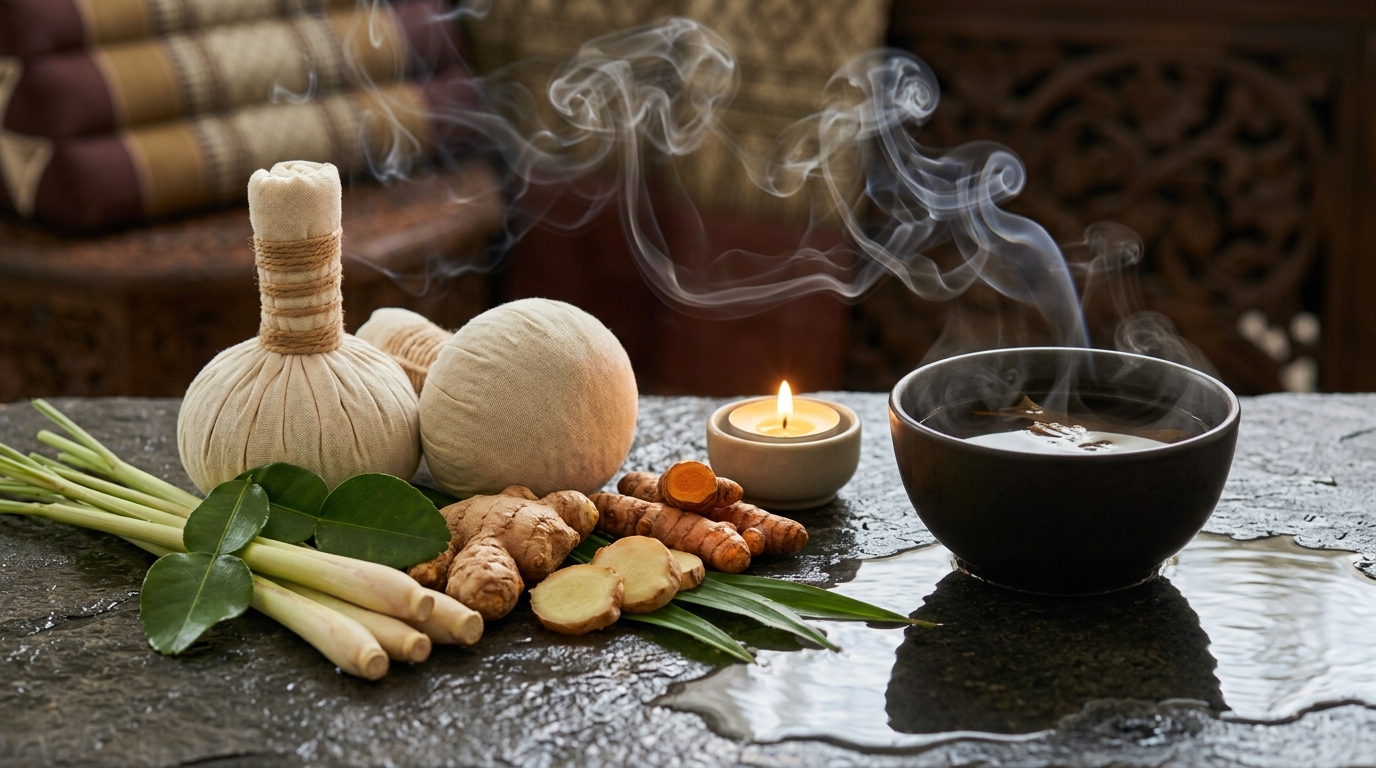
The most suitable wellness treatment depends on personal preferences, physical comfort, and individual health considerations.
If you enjoy movement and stretching, traditional Thai massage may be worth exploring. If you prefer a gentler sensory experience, an aroma massage may feel more suitable. Those interested in traditional herbal practices may enjoy learning about Thai herbal compress treatments, while warm foot soaks and restorative spa rituals can provide a relaxing introduction to Thai-inspired wellness.
Before booking, consider the following:
- Your comfort level: Let the practitioner know whether you prefer gentle, moderate, or firmer pressure.
- Your treatment goals: Decide whether you are seeking relaxation, relief from everyday muscular tension, or a more sensory wellness experience.
- Your health needs: Inform the practitioner about relevant medical conditions, injuries, pregnancy, allergies, or skin sensitivities.
- Your preferred environment: Consider whether you feel most comfortable in a quiet, private setting or a more traditional spa atmosphere.
- Professional guidance: Choose a reputable spa with trained practitioners who communicate clearly and adapt treatments appropriately.
Thai massage is not suitable for every person or every condition. Anyone with an acute injury, suspected blood clot, significant cardiovascular concerns, or other relevant medical risks should seek professional medical advice before receiving massage. During pregnancy, treatments should be adapted by a suitably trained practitioner.
The best wellness experience is one that respects your body, your comfort, and your individual needs.
Conclusion: Finding Harmony Through the Four Elements
Earth, Wind, Fire, and Water provide a meaningful lens through which to explore the holistic philosophy of traditional Thai wellness. Earth represents the strength and stability of the physical body. Wind evokes movement, breathing, and the traditional concept of energy flow. Fire symbolizes warmth and vitality, while Water reflects nourishment, fluidity, and adaptability.
Together, these elements illustrate a central idea in Thai wellness: well-being involves caring for the body as an interconnected whole.
Through traditional Thai massage, herbal compresses, aroma treatments, and restorative spa rituals, visitors can experience aspects of this rich cultural heritage while taking time to relax and reconnect with themselves.
Elemental healing is not about achieving perfect balance at every moment. It is about developing a more attentive relationship with the body, making space for restoration, and recognizing the value of consistent self-care.
Whether you are discovering Thai massage for the first time or deepening your appreciation of traditional Thai healing practices, the four elements offer an invitation to slow down, listen to your body, and find your own sense of harmony.
Explore the world of Thai wellness and discover how traditional massage and restorative rituals can become meaningful parts of a balanced lifestyle.