Inside a Thai Massage Studio: Atmosphere, Comfort and Care
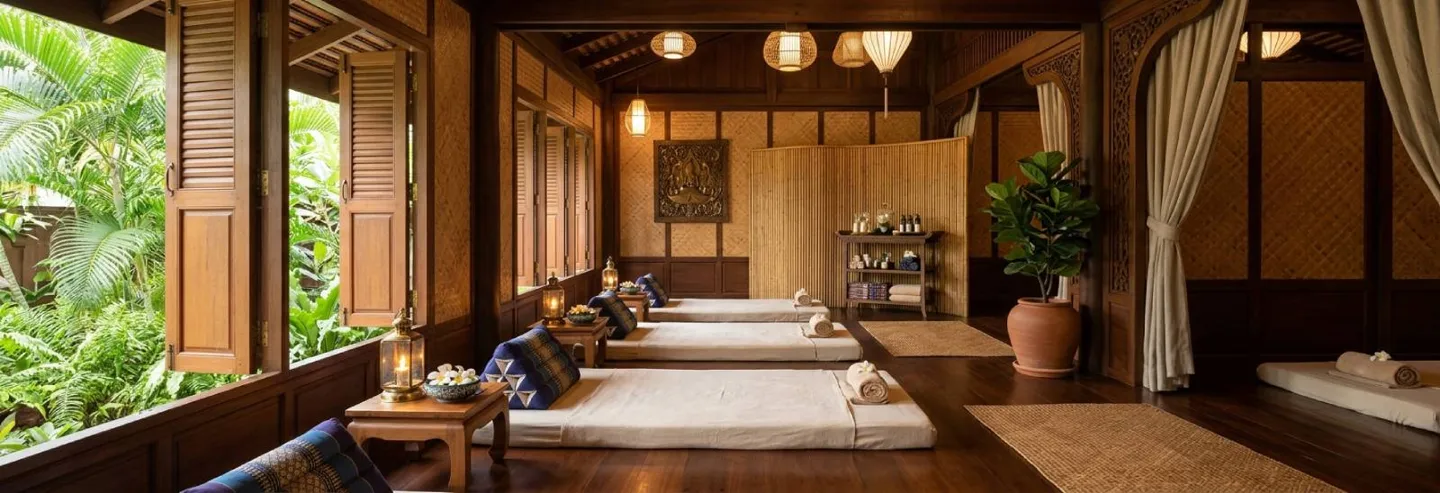
A Thai massage studio can look inviting before anyone explains the treatment. Timber screens, soft lighting and carefully arranged mats create an impression, but a photograph cannot tell you how the appointment will feel. When choosing a studio in Bangkok, look at the room and listen to the conversation: clear explanations, clean surroundings and space to express a preference are useful things to assess together.
Recognise a living tradition beyond the decor
Nuad Thai was inscribed on UNESCO's Representative List of the Intangible Cultural Heritage of Humanity in 2019. The UNESCO account of Nuad Thai describes knowledge and skills passed between practitioners and generations. That recognition concerns a cultural practice. It does not certify an individual studio, its interiors or the treatment a visitor will receive.
A room can acknowledge Thai craft through textiles, woodwork or other locally made objects. A contemporary room can also host a practitioner who treats the tradition with care. Ask the studio to explain what its named treatment involves, how practitioners learn it and whether the booking is for traditional clothed massage, oil massage or another service. An understandable answer is more useful than a general promise of authenticity.
Look at how the room will actually be used
Before comparing decorative details, establish the arrangement of the treatment area. Is it a shared room, a curtained bay or a private room with a door? Where will you change and leave your belongings? Will the appointment take place on a floor mattress or a table? These are practical differences that a wide-angle photograph may leave unclear.
Look for fresh linens, a maintained treatment surface and an unobstructed route through the room. Check that the lighting lets you see where to step and that there is enough space to change position comfortably. If getting down to the floor is difficult for you, describe that before booking and ask what arrangement is available. Do not assume that every room or treatment can be adapted in the same way.

Treat scent, music and temperature as preferences
Some guests enjoy herbal aromas and quiet music; others prefer an unscented room or silence. Neither preference needs to become a test of whether someone appreciates Thai culture. If incense, fragrance or background sound matters to your comfort, ask what the studio normally uses and what it can change for your session.
A useful booking question is specific: “Can this room be prepared without incense or added fragrance?” Confirm the answer before paying if it determines whether you can use the room. When a product or herbal preparation forms part of a treatment, ask what it contains and how it will be used. Agreeing to the room does not mean agreeing to every product offered in it.
Notice whether the welcome leaves room for questions
The consultation is part of the atmosphere. You should have time to understand the proposed session, state your preferences and ask for a change. As a reference for professional practice, Ontario's massage therapy consent standard describes consent as an ongoing process and says patients can withdraw it. That is an Ontario regulatory standard; it is not presented here as a statement of Thai law.
For your own appointment, establish a simple way to request less pressure, a different position or a pause. A studio's response to a small request can tell you more about the service than its promotional photographs. Clarify the total price, appointment length and any optional additions before treatment starts, so that the conversation in the room can focus on the session itself.
Compare what matters to your visit
Write down the two or three features that would affect your choice: a private room, a quiet setting, a floor-level treatment or an agreed fragrance preference, for example. Ask each studio about the same features. Current photographs can help you understand the layout, while direct answers help establish what is available for your appointment.
Keep cultural interest and practical suitability in the same conversation. A thoughtful interior can make a visit memorable, but the most useful setting is one where you understand the service, feel comfortable asking questions and can communicate throughout the appointment.
A message to send before booking
“We would like a private room without added fragrance. Is that available for the treatment we have chosen, and what is the total price?” Replace those preferences with your own. A clear reply gives you something concrete to confirm at reception and helps avoid relying on a photograph of a different room.