
In a world filled with constant notifications, busy schedules, traffic, and endless conversations, silence has become something of a luxury. Yet, sometimes, the most meaningful form of relaxation begins when we allow ourselves to pause, breathe, and simply be present.
Traditional Thai massage offers an opportunity to rediscover this sense of stillness. Known in Thailand as Nuad Thai, this traditional healing practice combines rhythmic pressure, assisted stretching, and mindful bodywork to create an experience that can support relaxation, flexibility, and physical comfort.
Although Thai massage is often associated with energetic stretches and focused pressure, the experience can also be deeply calming. The quiet moments between movements, the steady rhythm of a therapist's hands, and the opportunity to turn attention inward can all contribute to a more mindful massage session.
Silence is not a strict requirement of every traditional Thai massage ritual. Rather, it is a valuable element that can help create an atmosphere of respect, concentration, and relaxation. By reducing unnecessary distractions, both the practitioner and the recipient can give greater attention to the experience.
So, why does silence matter in Thai massage rituals? And how can embracing stillness transform an ordinary massage into a more meaningful wellness experience?
Understanding the Spiritual and Cultural Roots of Thai Massage
To appreciate the importance of silence in Thai massage, it helps to understand the tradition's broader cultural background.
Thai massage is a traditional form of bodywork that has developed through generations of practical knowledge and cultural exchange. It incorporates techniques such as rhythmic compression, acupressure-like pressure, gentle rocking, and assisted stretching. In traditional Thai medicine, practitioners may also work with concepts involving Sen energy pathways, which form part of the traditional framework used to understand the body.
One important center for preserving and teaching Thai massage knowledge is Wat Pho in Bangkok. The temple is known for its historic inscriptions and illustrations relating to traditional Thai medicine and massage. This heritage reflects the importance of passing knowledge from one generation to another through study and practice.
Thai massage is not simply a sequence of physical movements. For many practitioners, it also involves patience, attentive touch, respect for the recipient, and a commitment to practicing with care.
Silence can support these qualities by allowing the therapist to concentrate on the rhythm of the treatment and the recipient to become more aware of physical sensations.
However, Thai massage traditions are diverse. Some sessions take place in quiet private treatment rooms, while others occur in shared environments where conversations and everyday sounds are part of the atmosphere. Silence is best understood as a possible part of the experience rather than a universal ritual or religious requirement.
The deeper principle is mindful presence: giving the treatment, the practitioner, and the person receiving the massage the attention they deserve.
Silence as a Pathway to Mindfulness
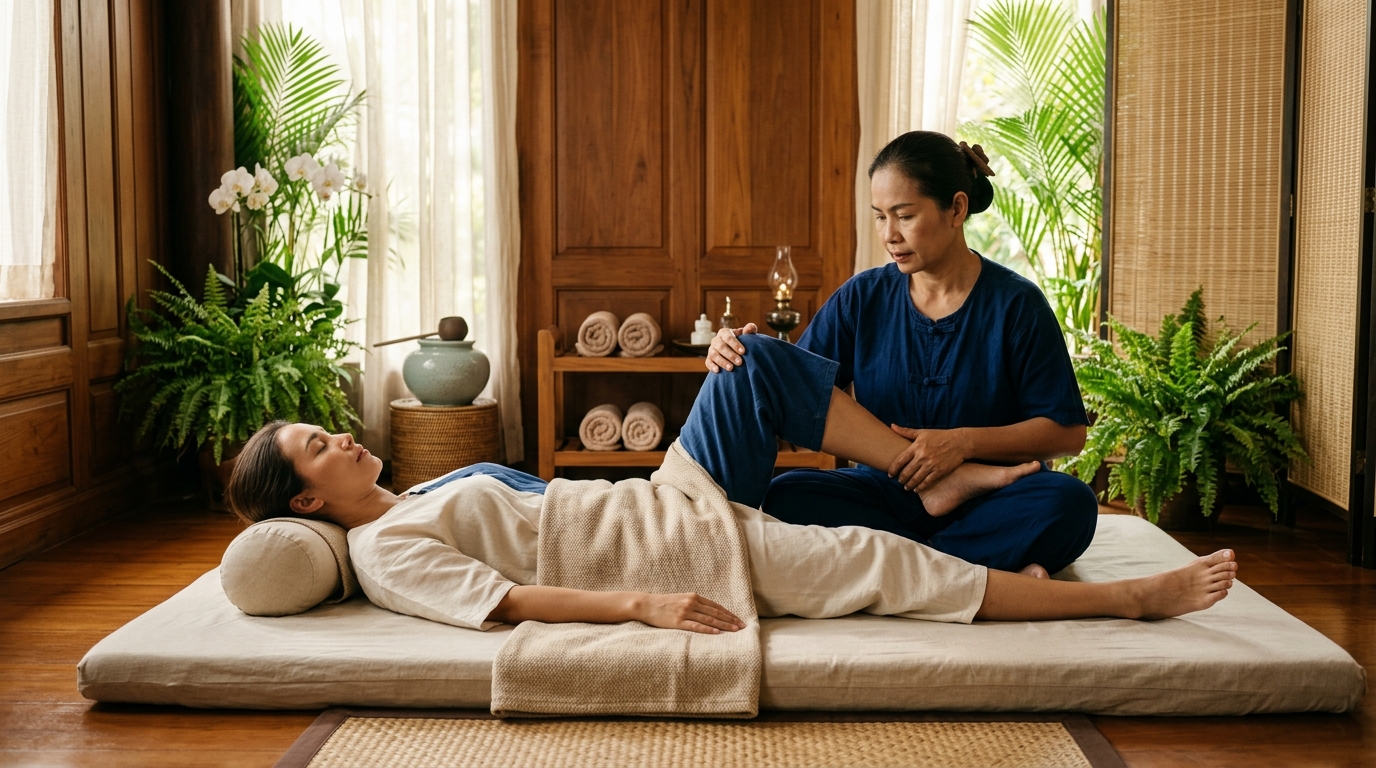
Mindfulness means paying attention to the present moment with openness and without unnecessary judgment. During a Thai massage, this can involve noticing the pressure of a therapist's hands, the gentle movement of the body during a stretch, or the natural rhythm of breathing.
Silence can make this easier.
When conversations, phone notifications, and other distractions are reduced, attention has fewer places to wander. Instead of thinking about unfinished tasks or upcoming appointments, the recipient can focus on what is happening in the body.
This does not mean that the mind must become completely empty. Thoughts will naturally appear, particularly when someone is accustomed to a busy lifestyle. Mindfulness simply offers an opportunity to notice those thoughts and gently return attention to the present experience.
For example, during a traditional Thai massage, a recipient might notice how the shoulders feel when pressure is applied or how the legs respond to a supported stretch. Rather than anticipating the next movement, they can experience each stage as it unfolds.
These small moments of awareness can help make the massage feel less like a treatment to complete and more like an opportunity to slow down.
A quieter environment may also encourage people to recognize areas of tension they usually overlook. When the pace of daily life temporarily recedes, it can become easier to notice shallow breathing, a clenched jaw, or raised shoulders.
This awareness can be useful beyond the massage room, encouraging people to recognize stress-related habits and make more deliberate choices about rest, movement, and self-care.
The Relationship Between Silence and Breathing
Breathing is one of the simplest ways to reconnect with the present moment.
During a massage, people sometimes hold their breath when they anticipate firm pressure or a deeper stretch. Others breathe quickly because they arrive feeling stressed or mentally overwhelmed.
A calm environment can make it easier to notice these patterns. By allowing the breath to remain natural and comfortable, recipients may find it easier to settle into the rhythm of the treatment.
How to Practice Mindful Breathing During Thai Massage
- Begin by noticing your natural breath. Before the massage starts, take a few moments to observe how you are breathing without immediately trying to change it.
- Allow the exhale to soften. If comfortable, let each exhalation become slightly slower without forcing your breath or holding it.
- Breathe through stretches. During assisted stretching, continue breathing normally. If a movement causes you to hold your breath or feel strained, let your therapist know.
- Return your attention gently. If your thoughts drift toward work or everyday concerns, bring your awareness back to your breathing.
- Avoid forcing relaxation. Some people feel calm immediately, while others need more time. Both responses are normal.
The goal is not to achieve a perfect breathing pattern. It is to create space for greater comfort and awareness throughout the massage.
Why a Quiet Environment Can Help Reduce Stress
Modern life places considerable demands on attention. Work responsibilities, digital communication, traffic, and social obligations can leave people feeling mentally overloaded.
Although silence alone cannot eliminate stress, reducing unnecessary stimulation can provide a useful opportunity to rest.
A calm massage environment may support relaxation through several complementary elements: comfortable surroundings, a slower pace, attentive touch, and fewer interruptions. For some people, this combination makes it easier to shift their attention away from daily pressures.
Thai massage can offer a structured period in which the recipient does not need to answer messages, make decisions, or organize the next activity. Instead, the experience encourages a temporary change of focus.
The rhythmic nature of traditional Thai massage may also help some people become absorbed in the treatment. Repeated movements and sustained pressure can create a predictable sensory experience, while quiet intervals allow time to notice how the body feels.
Relaxation is personal. Some people prefer complete quiet, while others feel more comfortable with gentle instrumental music or occasional conversation. A skilled practitioner should respect these preferences rather than assume that every recipient wants the same atmosphere.
The purpose of silence is not to impose a particular mood. It is to make room for the kind of relaxation that feels most natural to the individual.
The Art of Mindful Touch in Traditional Thai Massage
Touch is central to Thai massage. Practitioners use their hands, thumbs, palms, and, depending on the technique, other parts of the body to apply pressure and guide movement.
These techniques require attention, control, and an understanding of how the recipient responds.
Silence can help support this focused approach. Without unnecessary conversation, a practitioner may find it easier to concentrate on the pace of each movement and the recipient's physical responses. The recipient, in turn, may become more attentive to changes in pressure, stretching, and comfort.
This does not mean that silence should replace communication. Effective massage depends on clear communication about pressure, comfort, personal boundaries, and relevant health considerations.
A therapist may ask questions before or during a session, and the recipient should always feel comfortable answering them.
For instance, if pressure feels too intense, speaking up is more important than maintaining a quiet atmosphere. If a stretch feels uncomfortable or a movement causes pain, the therapist should be informed immediately.
Mindful touch is not about enduring discomfort in silence. It is about creating a respectful exchange in which the practitioner works attentively and the recipient can communicate openly.
When communication and quiet concentration work together, the massage experience can feel both more personal and more comfortable.
Silence, Sen Energy Lines, and Traditional Thai Wellness
Traditional Thai medicine includes the concept of Sen, a network of energy pathways used in traditional explanations of bodily function and massage techniques.
In Thai massage, practitioners may apply pressure along selected pathways while combining compression and stretching movements. These methods are intended, within the traditional framework, to support the body's balance and movement.
The idea of energy pathways is a traditional healing concept, not a scientifically established anatomical network equivalent to nerves or blood vessels. Nevertheless, understanding this concept can help visitors appreciate the cultural philosophy behind many Thai massage techniques.
Silence can complement this experience by allowing recipients to pay closer attention to sensations throughout the body.
For example, a practitioner might apply gentle pressure to the feet before working toward the legs and hips. During the sequence, the recipient can notice the changing sensations and the relationship between pressure, movement, and breathing.
Rather than treating every movement as an isolated action, mindfulness encourages awareness of the session as a connected experience.
Some people may interpret this sense of connection in spiritual terms, while others simply appreciate the physical relaxation and focused attention. Both perspectives can coexist, provided that traditional beliefs are not confused with proven medical claims.
The Importance of Intention Before a Thai Massage Ritual
A massage experience begins before the first movement. The way a person enters the treatment room, prepares for the session, and communicates with the therapist can influence how comfortable and focused the experience feels.
Taking a few quiet moments before the treatment can help establish a clear intention. This intention does not need to be spiritual or complicated. It might be as simple as wanting to release tension after a long day, take a break from work, improve general flexibility, or dedicate time to personal well-being.
Creating a Simple Pre-Massage Ritual
- Arrive without rushing. Allow enough time to reach the spa, check in, and prepare for the treatment.
- Put distractions aside. Silence your phone and avoid checking messages immediately before the session.
- Communicate your needs. Tell your therapist about your preferred pressure, any areas of discomfort, and relevant health conditions or physical limitations.
- Set a personal intention. Decide what you would like from the experience, whether that is relaxation, a break from mental activity, or greater bodily awareness.
- Allow yourself to settle. Once the massage begins, give yourself permission to stop managing the outside world for a while.
This preparation can make the experience feel more intentional without turning it into a rigid ceremony.
The most important element is not following every step perfectly. It is approaching the session with openness, realistic expectations, and respect for your own comfort.
Silence and the Connection Between Body and Mind
Physical tension and mental stress can influence one another. When people feel overwhelmed, they may notice tight shoulders, a clenched jaw, or discomfort associated with prolonged sitting.
Likewise, physical discomfort can make it more difficult to relax or concentrate.
Thai massage provides an opportunity to pay attention to this relationship through movement, touch, and periods of rest. A quieter atmosphere can support the process by reducing distractions and making bodily sensations easier to notice.
During a session, someone might become aware that their shoulders rise whenever they feel anxious. Another person may notice that their breathing becomes more comfortable when they stop mentally rehearsing the next day's responsibilities.
These observations do not require special training. They are examples of how paying attention to the present moment can reveal habits that otherwise go unnoticed.
Thai massage should not be regarded as a cure for every physical or psychological concern. However, when appropriately delivered, it can form part of a broader self-care routine that includes movement, adequate rest, healthy daily habits, and professional healthcare when necessary.
Silence helps create the conditions for reflection, while the massage itself offers a physical experience through which that reflection can develop.
Is Silence Necessary During Every Thai Massage?
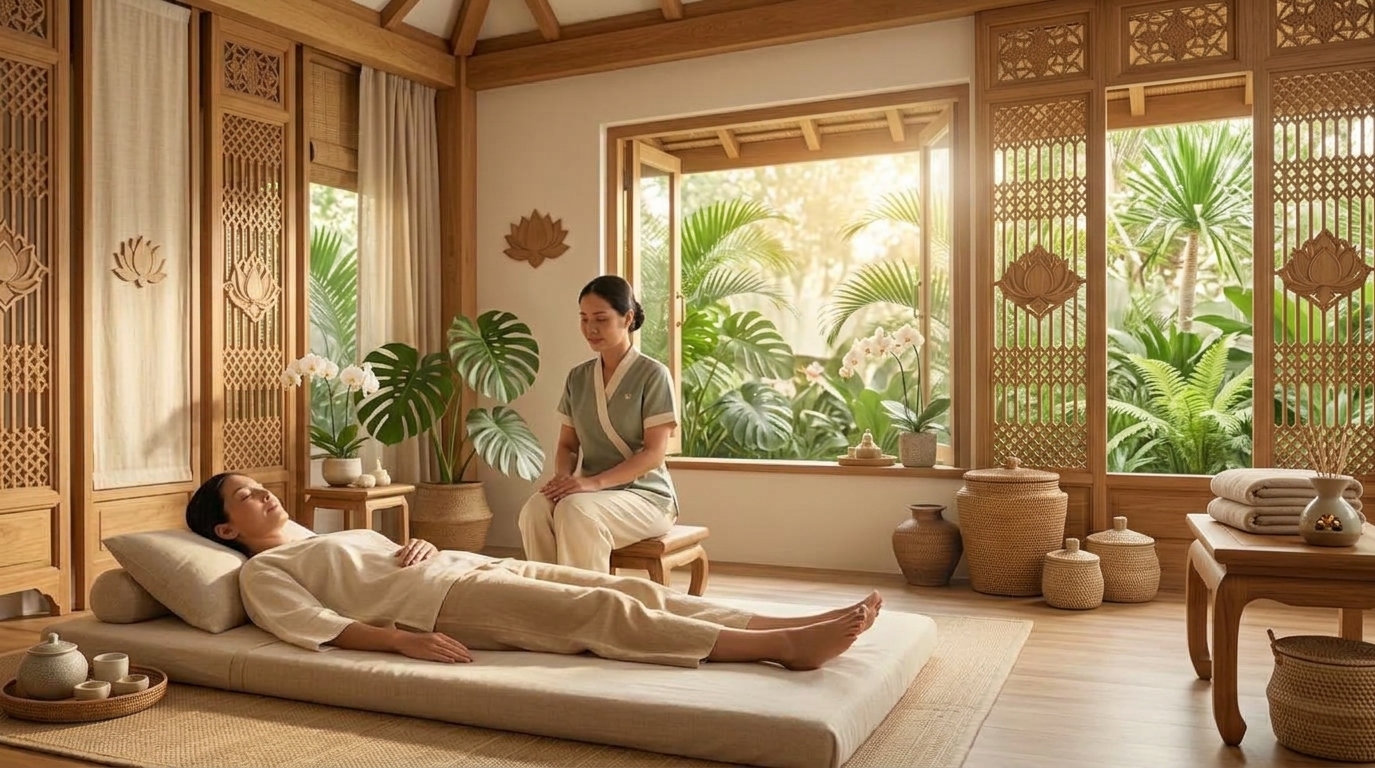
Although quiet can enhance the experience for some people, traditional Thai massage does not require every session to take place in complete silence.
Different practitioners, treatment settings, and recipients have different preferences. A massage in a private wellness room may offer a peaceful atmosphere, while a traditional community setting may include conversation and everyday sounds.
Some people prefer to chat with their therapist, particularly if they are new to massage and want to understand what is happening. Others enjoy gentle music or the natural sounds of the surroundings.
The important consideration is whether the environment supports comfort, concentration, and respectful communication.
When Silence May Be Especially Helpful
- After a demanding workday: Quiet can offer a break from constant communication and decision-making.
- During a wellness retreat: A peaceful atmosphere may complement other relaxation practices, such as meditation or gentle movement.
- For first-time visitors: Reducing unnecessary distractions can help some people focus on unfamiliar massage sensations.
- When seeking mindful relaxation: A quieter session may make it easier to notice breathing, muscle tension, and changes in comfort.
- During personal reflection: Time away from conversation may provide space to reconnect with personal needs and priorities.
When Communication Matters More
- When the therapist needs to understand your medical history or physical limitations.
- When pressure or stretching becomes uncomfortable.
- When you want to change the intensity or focus of the treatment.
- When you have questions about the technique being used.
- When you feel anxious or uncertain about any part of the session.
A good massage experience balances quiet attention with open communication. Silence should always be a choice, never an obligation.
How to Create a More Peaceful Thai Massage Experience in Bangkok
Bangkok is known for its lively streets, busy transport networks, shopping districts, and energetic atmosphere. For visitors and residents alike, a massage can provide a welcome opportunity to step away from the city's pace.
However, a peaceful experience depends on more than the location. Choosing an appropriate treatment, communicating your preferences, and allowing enough time to unwind can all make a difference.
Choose a Setting That Suits Your Needs
If quiet is important to you, consider a reputable massage center or spa that offers private treatment rooms or a calm wellness environment. Before booking, ask whether music is played, whether conversations are common, and whether a quieter session can be arranged.
Not every traditional Thai massage setting is designed around silence, so it is helpful to clarify your expectations in advance.
Select the Right Massage Style
Traditional Thai massage generally involves pressure, compression, and assisted stretching, often with the recipient wearing comfortable clothing.
Other treatments, such as Thai oil massage, may offer a different sensory experience, with more continuous gliding movements and the use of massage oils.
Neither style is automatically more relaxing for everyone. Your choice should depend on your preferences, comfort level, and the kind of experience you are seeking.
If you are unfamiliar with Thai massage, let the therapist know before the session begins. You can ask for gentler pressure and request modifications where appropriate.
Set Expectations With Your Therapist
You do not need to remain silent throughout the treatment to benefit from a peaceful environment. You can simply explain that you prefer minimal conversation once the session has started, while making it clear that you will speak up whenever you need to communicate.
This small conversation can help establish a comfortable atmosphere for both you and the practitioner.
Allow Time After the Treatment
If possible, avoid scheduling an immediate meeting or rushing straight into another demanding activity.
Give yourself a few minutes to sit, drink water if appropriate, and notice how you feel. This brief transition can help you carry a sense of calm into the rest of your day.
For travelers, it can also be a welcome pause between sightseeing, shopping, and exploring Bangkok's many attractions.
Practicing Stillness Beyond the Massage Room
One of the most useful aspects of a quiet massage experience is that its principles can be applied to daily life.
You do not need to visit a spa every time you want a moment of calm. Small periods of intentional quiet can be incorporated into an ordinary routine.
Try a Five-Minute Silence Practice
Find a comfortable place where you can sit without interruption. Put your phone aside and allow your body to settle.
For the first minute, notice your breathing without trying to change it.
For the next two minutes, observe the sensations in your shoulders, hands, jaw, and feet. If you notice tension, acknowledge it without forcing the muscles to relax.
Spend the following minute listening to the sounds around you. Instead of judging them as pleasant or unpleasant, simply notice them.
During the final minute, bring your attention back to your breath and consider what you need in that moment. You may feel ready to continue your day, or you may recognize that you need more rest.
This is not a substitute for massage or professional treatment. It is a simple mindfulness exercise inspired by the same principle of attentive presence.
Build Quiet Moments Into Everyday Routines
You might practice mindful breathing before opening your laptop, take a short walk without headphones, or enjoy a cup of tea without looking at your phone.
You can also pause briefly between activities instead of moving immediately from one demand to the next.
These small habits can help create a healthier relationship with attention and rest. Over time, they may make it easier to recognize when you need a break.
The objective is not to eliminate conversation or stimulation from life. It is to develop a more intentional balance between activity and stillness.
Common Misconceptions About Silence in Thai Massage
Misconception 1: Traditional Thai Massage Must Always Be Silent
There is no universal requirement for complete silence. Different settings and practitioners have different approaches, and communication remains essential.
Misconception 2: Silence Automatically Creates Spiritual Healing
A quiet atmosphere may support reflection and relaxation, but spiritual experiences are personal. No particular outcome can be guaranteed.
Misconception 3: You Must Meditate to Benefit From a Massage
Meditation is not necessary. Simply resting comfortably and communicating with your therapist can be enough to enjoy the session.
Misconception 4: Staying Silent Means Tolerating Pain
This is incorrect. You should always communicate if pressure is too strong, a stretch feels unsafe, or you experience sharp pain, numbness, or other concerning symptoms.
Misconception 5: Silence Is More Important Than the Therapist's Technique
A calm environment can enhance the experience, but practitioner training, appropriate techniques, hygiene, consent, and communication are fundamental to a responsible massage session.
When these distinctions are understood, silence becomes a flexible tool for relaxation rather than a strict rule to follow.
Choosing a Mindful Thai Massage Experience
When selecting a massage center in Bangkok or elsewhere in Thailand, look beyond the atmosphere alone.
A peaceful room may be appealing, but the quality of the experience also depends on the practitioner's skills, the suitability of the treatment, and the way your needs are respected.
Qualified Practitioners
Choose a reputable provider that takes training and professional standards seriously.
Clear Communication
The therapist should explain the treatment when needed and welcome questions about pressure, movement, and comfort.
Respect for Boundaries
You should feel comfortable declining a technique, requesting an adjustment, or asking for the session to stop.
A Suitable Environment
Cleanliness, comfortable temperature, appropriate privacy, and a setting that matches your preferences can all support relaxation.
Personalized Treatment
A good practitioner should take relevant health information and individual limitations into account rather than applying the same intensity to everyone.
People with certain medical conditions, recent injuries or surgeries, pregnancy-related considerations, or other health concerns should seek appropriate professional guidance before choosing techniques involving deep pressure or substantial stretching.
Conclusion: Finding Meaning in the Quiet Moments
Silence can be a powerful part of a Thai massage experience, not because every treatment must be quiet, but because stillness creates an opportunity to pay attention.
When distractions fade, it may become easier to notice breathing, recognize physical tension, and appreciate the steady rhythm of the practitioner's movements. A calm atmosphere can also encourage a temporary pause from the demands of everyday life.
Traditional Thai massage brings together a rich cultural heritage and practical techniques involving pressure, movement, and stretching. Within this experience, mindful attention can offer an additional dimension of relaxation and personal awareness.
Whether you are visiting Bangkok for the first time or already familiar with Thai wellness traditions, you can make your next massage more intentional by arriving without rushing, communicating your preferences, breathing naturally, and allowing yourself time to unwind.
You do not need to master meditation or achieve complete mental silence. Sometimes, the most valuable step is simply giving yourself permission to slow down.
In the quiet moments between movements, you may discover that wellness is not always about doing more. Sometimes, it begins with paying attention to what is already here.
Explore the world of traditional Thai massage with Thai-Massage-Bangkok.com, your guide to Thai massage techniques, wellness traditions, and ways to make your massage experience more mindful and rewarding. Discover how thoughtful preparation, respectful communication, and a moment of stillness can help you reconnect with yourself, one session at a time.
Frequently Asked Questions
1. Why is silence important during Thai massage?
Silence can reduce distractions and help recipients focus on breathing, physical sensations, and the rhythm of the treatment. It may support relaxation and mindfulness, although it is not a requirement of every Thai massage session.
2. Is silence a traditional Thai massage ritual?
Quiet concentration can be part of a mindful massage experience, but complete silence is not a universal or mandatory element of traditional Thai massage. Practices vary by practitioner, setting, and individual preference.
3. Should I avoid talking during a Thai massage?
No. You can speak whenever necessary, especially to communicate about pressure, comfort, pain, or health concerns. If you prefer minimal conversation, tell your therapist before the treatment begins.
4. Can silence help me relax more deeply during a massage?
For some people, a quiet environment helps reduce distractions and makes it easier to relax. Others prefer soft music or occasional conversation. The best atmosphere is the one that allows you to feel comfortable and at ease.
5. What is the connection between mindfulness and Thai massage?
Mindfulness involves paying attention to the present moment. During Thai massage, it may include noticing breathing, the sensations created by pressure, and the body's response to stretching. Silence can support this awareness, but meditation is not required.
6. Is Thai massage suitable for beginners?
Many beginners can enjoy Thai massage, particularly when the treatment is adapted to their comfort level. It is helpful to explain your experience, preferred pressure, and any physical limitations before starting. You should never feel obliged to tolerate pain.
7. How can I prepare for a peaceful Thai massage in Bangkok?
Choose a reputable provider, arrive with enough time to settle in, silence your phone, and communicate your preferences. If you prefer a quiet session, ask the spa whether minimal conversation and a calm treatment environment can be arranged.
8. Can I practice mindfulness outside a massage session?
Yes. Simple habits such as mindful breathing, short periods without digital distractions, and paying attention to everyday activities can help you incorporate moments of stillness into your routine.