
In Thailand, wellness is often experienced through more than touch alone. The gentle fragrance of fresh flowers, the delicate aroma of incense, the warmth of natural materials, and the peaceful atmosphere of a traditional healing space can all contribute to a deeply restorative experience. Within Thai wellness culture, scent is closely associated with hospitality, mindfulness, spirituality, and the creation of environments that encourage calm and reflection.
Flowers and incense have long held meaningful places in Thai cultural and religious practices. From jasmine garlands offered as gestures of respect to fragrant blossoms arranged at welcoming entrances, flowers communicate beauty, gratitude, and reverence. Incense, meanwhile, is widely used in Buddhist temples, household shrines, and ceremonial settings, where its rising smoke can symbolize devotion, remembrance, and an intention to create a peaceful moment.
These traditions also offer inspiration for contemporary Thai massage and wellness spaces. When thoughtfully incorporated into a spa environment, floral arrangements and subtle natural fragrances can help establish a welcoming atmosphere that invites guests to slow down, become more aware of their surroundings, and prepare for relaxation.
Exploring the cultural use of flowers and incense reveals an important dimension of Thai wellness: the belief that the environment surrounding a healing experience deserves as much thoughtful attention as the treatment itself.
Flowers in Thai Culture: Symbols of Respect, Beauty, and Welcome
Flowers are an essential part of everyday life and ceremonial traditions in Thailand. They appear at religious offerings, family celebrations, welcoming ceremonies, and important personal occasions. Their significance extends beyond their appearance or fragrance, expressing emotions and values that can be difficult to communicate through words alone.
Among the flowers frequently associated with Thai cultural practices are jasmine, lotus, orchids, and marigolds. Each has its own visual character and cultural associations, making floral arrangements an expressive element of Thai hospitality and spiritual life.
Jasmine: A Fragrance Associated with Grace and Respect
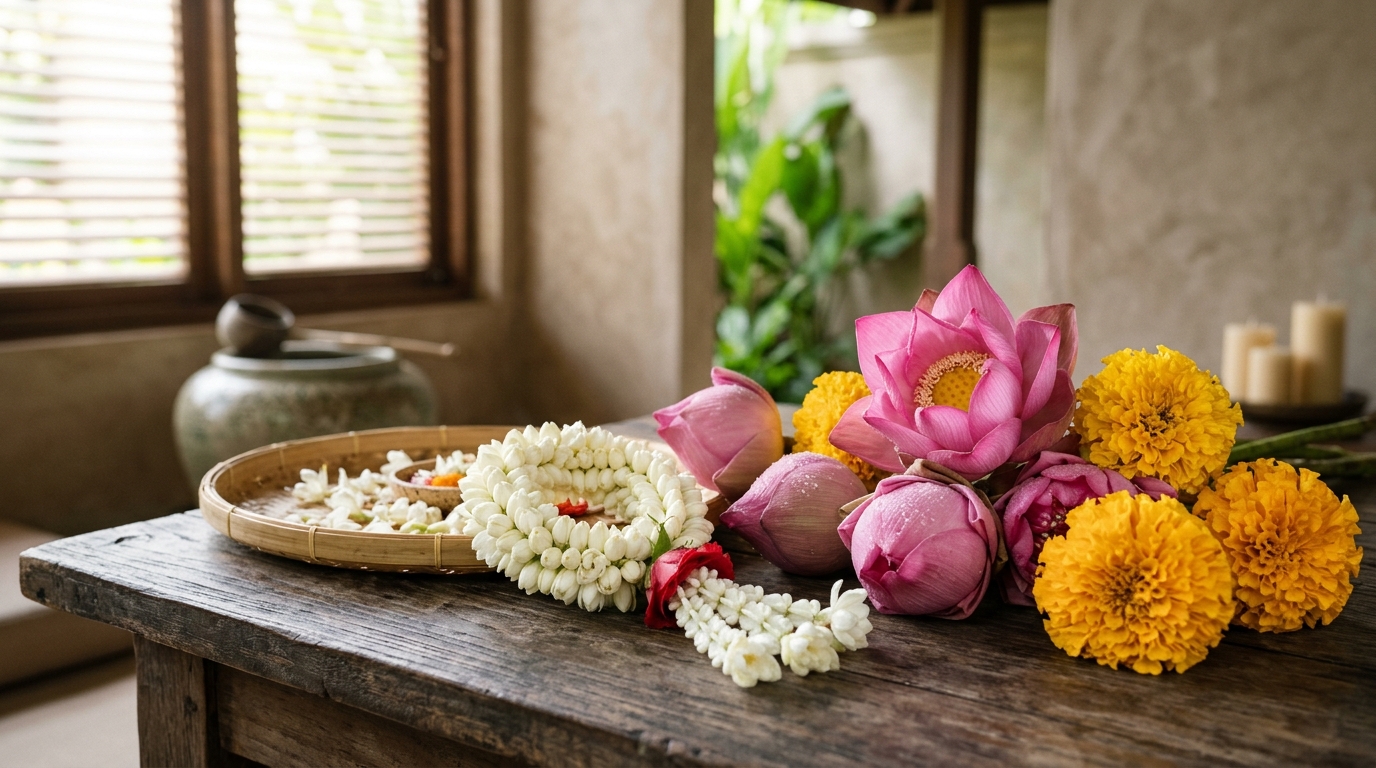
Jasmine is one of Thailand's most recognizable fragrant flowers. Its small white blossoms and delicate aroma make it a popular choice for garlands and ceremonial arrangements. Jasmine is often associated with purity, gentleness, affection, and respect, although its precise meaning depends on the occasion and cultural context.
Jasmine garlands are commonly presented as offerings or gifts and may be used to welcome guests or show appreciation. Their soft fragrance also makes them a natural source of inspiration for wellness environments that favor understated elegance rather than overpowering perfumes.
In a Thai massage setting, jasmine can evoke a sense of familiarity and cultural authenticity. A small arrangement at reception or a carefully selected floral detail in a relaxation area can introduce a subtle connection to Thai traditions while maintaining a clean, contemporary aesthetic.
Lotus: A Symbol of Reflection and Spiritual Growth
The lotus holds a particularly important place in Buddhist imagery and Thai religious culture. Growing in muddy water while producing a flower of striking beauty, it is often used to represent purity, spiritual development, and the possibility of rising above difficulties.
Lotus flowers are commonly associated with temple offerings and Buddhist symbolism. Their presence can encourage a contemplative atmosphere, making them especially meaningful in spaces designed for meditation, quiet reflection, or mindful relaxation.
In wellness interiors, lotus-inspired arrangements can create a visual reminder to pause and reconnect with the present moment. Even when fresh lotus flowers are not available, the shape of the lotus can inspire decorative details, artwork, and the overall design of a tranquil treatment room.
Orchids: Tropical Elegance and Thai Hospitality
Orchids are widely admired in Thailand for their diversity, graceful forms, and association with tropical landscapes. They are frequently used in floral displays, hotel interiors, restaurants, and special events.
For a contemporary Thai spa, orchids can communicate refinement without requiring elaborate decoration. Their architectural shapes and varied colors work particularly well in reception areas, lounge spaces, and other shared environments where visual harmony is important.
Unlike strongly scented blossoms, many orchids have little or no noticeable fragrance. This makes them useful when a spa wishes to introduce natural beauty without adding another scent to the treatment environment.
Marigolds: Offerings and Traditional Significance
Marigolds are familiar in Thai religious and ceremonial settings, particularly in floral garlands and offerings. Their vivid golden-yellow and orange colors create a striking contrast with green foliage and other blossoms.
Their cultural significance is connected to offering practices, respect, and auspicious occasions. In a wellness setting, marigolds can provide a visual reference to Thai heritage, especially when displayed in a way that respects their traditional context.
Together, these flowers demonstrate how floral choices can communicate different qualities within a healing space: jasmine offers delicate fragrance, lotus encourages contemplation, orchids introduce tropical sophistication, and marigolds bring color and ceremonial meaning.
Incense in Thai Traditions: Fragrance, Devotion, and Reflection
Incense has an established place in Thai religious and cultural life, particularly in Buddhist worship and offerings at household or community shrines. Lighting incense can form part of a deliberate ritual that encourages people to pause, express respect, remember important values, or focus their attention.
The gradual release of fragrance and the visible movement of smoke can make the act feel distinct from ordinary daily activity. For many people, these sensory details help mark a transition from busyness to a more reflective state of mind.
However, incense should not be understood as a universal requirement of Thai healing practices. Thai massage has diverse regional, historical, and professional traditions, and many massage treatments take place without incense or religious ritual. Its use depends on the setting, practitioner, and preferences of those present.
The Meaning of Incense in Sacred Spaces
In Buddhist contexts, incense is commonly associated with offerings and reverence. Its fragrance may serve as a reminder of the temporary nature of material things and the importance of mindfulness, ethical conduct, and spiritual awareness.
The experience is not simply about creating a pleasant smell. The act of lighting incense can carry personal and communal meaning, connecting a present moment with long-standing traditions of devotion and reflection.
When these cultural references inspire spa design, they should be approached thoughtfully. A wellness business can appreciate the aesthetic qualities of Thai traditions without presenting religious practices as decorative accessories or claiming that a particular incense ritual is necessary for therapeutic results.
Fragrance as a Sensory Transition
In contemporary wellness spaces, scent is sometimes used to help distinguish different stages of a guest's visit. A subtle fragrance near reception may create a welcoming first impression, while a quiet, neutral treatment room allows the guest to focus on the massage itself.
This transition can be achieved with fresh flowers, suitable ventilation, natural materials, or a lightly scented environment. Burning incense is not essential.
For guests who enjoy fragrance, a carefully selected aroma may contribute to a sense of comfort and familiarity. For others, smoke or perfume can cause discomfort, headaches, respiratory irritation, or allergic symptoms. The most thoughtful approach is to make scent optional and to prioritize the comfort of the person receiving treatment.
The Relationship Between Flowers, Fragrance, and Thai Massage
Traditional Thai massage is known for its combination of rhythmic pressure, assisted stretching, and techniques intended to support mobility and relaxation. In many contemporary spas, the treatment experience begins well before the therapist makes the first contact.
The atmosphere of the reception area, the texture of the linens, the lighting, the temperature of the room, and the presence or absence of fragrance all shape the guest's first impressions.
Flowers and scent can complement this experience when they are selected with care.
Creating a Welcoming Arrival
A guest entering a Thai massage space may be transitioning from a busy street, a demanding workday, or a full schedule of travel. A simple floral arrangement, warm lighting, and an orderly reception area can help the environment feel noticeably different from the world outside.
A small jasmine arrangement, tropical foliage, or a restrained orchid display can introduce a natural element without overwhelming the room. Where fragrance is appropriate, a subtle scent may add another sensory layer.
The goal is not to overwhelm guests with decorative details. It is to create a clear, welcoming environment in which people can settle in comfortably.
Supporting a Relaxing Treatment Environment
During a massage, the body is in close contact with the treatment surface, and the guest may be lying face down for an extended period. Strong fragrances can become particularly noticeable in this position.
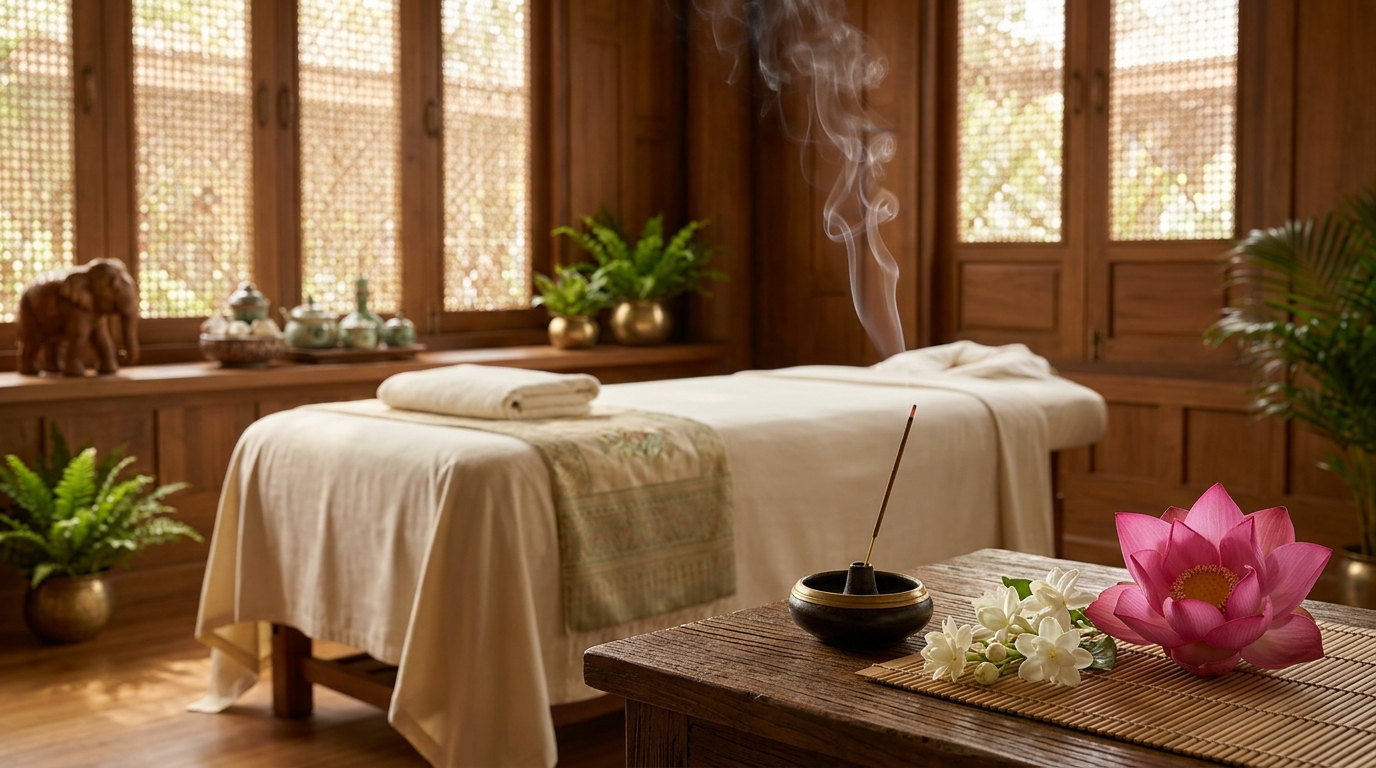
For this reason, floral decoration is often best placed away from the massage table, with scent levels kept low. Fresh flowers can contribute to the appearance of the room without requiring any additional fragrance.
A neutral-smelling treatment space may be the best choice for guests with asthma, fragrance sensitivities, migraines, or other concerns. Therapists can also ask about scent preferences before using aromatic products.
This attention to individual comfort is an important part of hospitality. A peaceful environment should support the guest rather than require the guest to adapt to the environment.
Engaging the Senses Without Overstimulation
Wellness spaces frequently combine several sensory elements: soft music, warm towels, gentle lighting, natural textures, and carefully controlled temperature. Each element can contribute to the overall atmosphere, but more stimulation does not necessarily mean greater relaxation.
A restrained approach allows each detail to serve a purpose. Flowers may provide visual interest, while a quiet room and comfortable massage surface remain central to the treatment experience.
When scent is used, it should complement these elements rather than compete with them. The result is an environment that feels balanced, personal, and consistent with the principles of thoughtful Thai hospitality.
Aromatic Plants and the Broader Thai Herbal Tradition
Thailand has a rich history of using aromatic plants in cooking, household practices, traditional preparations, and wellness rituals. Lemongrass, kaffir lime, ginger, turmeric, and other botanicals are familiar ingredients in different Thai culinary and herbal contexts.
Some aromatic plants also appear in traditional wellness products and massage preparations. Their aromas can evoke freshness, warmth, or a connection with the natural landscape.
It is important, however, to distinguish cultural associations from proven therapeutic effects. A plant's traditional use does not automatically establish that its scent treats a medical condition, and the effects of an aromatic ingredient depend on its preparation, concentration, and method of use.
Lemongrass and Fresh, Green Aromas
Lemongrass is strongly associated with Thai cuisine and is also used in some aromatic products. Its citrus-like scent can create a fresh impression in a suitable environment.
In a spa, a lemongrass-inspired aroma may be selected for its sensory qualities and its connection to familiar Thai botanicals. Products should be used according to their intended purpose and diluted appropriately where required.
Kaffir Lime and Citrus Notes
Kaffir lime leaves and peel are known for their distinctive citrus fragrance and role in Thai cooking. The aroma can suggest freshness and brightness, making it a popular inspiration for products designed around tropical botanical themes.
However, citrus ingredients and their extracts are not interchangeable. Some preparations may irritate sensitive skin, and certain citrus oils can present phototoxicity risks depending on how they are produced. Appropriate product selection and professional guidance are therefore important.
Ginger and Warming Aromatic Traditions
Ginger is another familiar botanical in Thailand, appreciated for its culinary use and its place in various traditional preparations. Its warm, spicy aroma can be incorporated into selected wellness products.
The presence of ginger in a product does not guarantee a specific health benefit. In massage environments, suitability depends on the formulation, the treatment method, and the individual guest's sensitivities.
These botanical traditions show that Thai wellness is connected to a broader sensory culture. The careful use of plant-derived aromas can provide a sense of place, while professional standards help ensure that products are suitable for their intended use.
Designing a Thai Healing Space Through Flowers and Natural Fragrance
A well-designed healing space brings together cultural sensitivity, practical comfort, and visual harmony. Flowers and fragrance can contribute to this balance, but their placement and intensity matter as much as their selection.
Keep Floral Arrangements Simple
A few carefully chosen flowers can create more visual impact than an elaborate display. Jasmine, orchids, lotus flowers, or seasonal tropical blossoms may be arranged to suit the character of the space.
Arrangements should be maintained carefully, with wilted flowers, standing water, and fallen petals removed promptly. Cleanliness is especially important in areas where guests relax, change clothes, or receive treatments.
Flowers should also be positioned so that they do not interfere with walkways, treatment equipment, or the therapist's movements.
Use Fragrance Selectively
Fragrance should never be treated as a requirement for authenticity. Some Thai-inspired wellness spaces are intentionally scent-free, allowing the natural aromas of clean linens, wood, and other materials to define the atmosphere.
Where incense or aromatic products are used, ventilation, fire safety, and guest sensitivities must be considered. Burning incense near massage oils, linens, or other combustible materials introduces avoidable risks and should never compromise safety.
Alternatives include unlit floral arrangements, scent-free decorative elements, or appropriately used products designed for controlled aromatic diffusion. These options can help create a distinctive atmosphere without exposing guests to smoke.
Respect the Meaning of Cultural Objects
Traditional floral offerings and incense may have religious or ceremonial significance. A spa that draws inspiration from these traditions should understand their context and avoid treating sacred objects as interchangeable decorative accessories.
Cultural respect can be expressed through thoughtful sourcing, appropriate placement, staff awareness, and honest descriptions of the experience being offered.
A wellness business does not need to recreate a religious ceremony to acknowledge the influence of Thai culture. It can instead create an atmosphere inspired by the values of hospitality, reflection, simplicity, and respect.
Consider Different Guest Preferences
Guests arrive with different cultural backgrounds, personal experiences, and sensory needs. Some enjoy floral scents, while others prefer an entirely fragrance-free environment.
A brief question during consultation can help establish preferences before a treatment begins. Providing a scent-free option, keeping strong aromas away from treatment tables, and ensuring good ventilation demonstrate that guest comfort comes first.
These small decisions help transform the spa from a visually appealing space into an environment that responds to individual needs.
The Psychology of Scent and the Experience of Relaxation
The sense of smell is closely connected with memory and emotion. A familiar floral aroma may remind someone of home, a garden, a celebration, or a meaningful moment. Another person may associate the same scent with an entirely different experience.
This personal dimension helps explain why fragrance can influence how people perceive an environment. A subtle aroma may feel comforting to one guest but distracting to another.
Research into olfaction and emotion has explored how certain odors may influence mood, perceived stress, and subjective relaxation. However, responses vary considerably, and the presence of a fragrance does not guarantee a particular psychological or physiological outcome.
Familiar Scents and Personal Memory
A floral aroma can evoke memories of family gatherings, temples, gardens, or familiar places. In a Thai-inspired wellness environment, these associations may contribute to a sense of cultural familiarity for some guests.
For international visitors, botanical fragrances can also provide a sensory connection with Thailand's natural environment. Yet the experience remains personal rather than universal.
This is why a thoughtful spa focuses on creating opportunities for comfort rather than promising identical results for every guest.
Mindful Attention to the Present Moment
Scent can become a focus for gentle awareness. Noticing a flower's fragrance, the texture of its petals, or the transition between outdoor and indoor air may encourage someone to pay closer attention to the present moment.
This does not require a formal ritual. A guest may simply notice the quiet surroundings while preparing for a massage.
In this sense, flowers and fragrance can complement mindfulness by drawing attention to a small sensory detail. The emphasis remains on personal awareness rather than on claims that scent alone can heal physical or emotional conditions.
A Balanced Approach to Aromatic Wellness
The most effective sensory environment is not necessarily the most fragrant one. A quiet room with fresh air, comfortable lighting, and a clean treatment surface may provide a more pleasant experience than a room filled with incense or concentrated essential oils.
A balanced approach acknowledges that scent is one element of a broader wellness experience. It can enhance the atmosphere when appropriate, but it should never replace skilled massage, clear communication, hygiene, or respect for the guest.
Flowers and Incense in the Contemporary Thai Spa Experience
Modern Thai spas operate at the intersection of cultural heritage and contemporary hospitality. Some draw heavily on traditional materials and botanical details, while others favor minimalist interiors, understated fragrances, and international design influences.
Flowers and incense can be incorporated into these environments in different ways, depending on the identity of the spa and the expectations of its guests.
Traditional Inspiration with Contemporary Comfort
A traditional-inspired spa may use floral garlands, natural wood, woven textures, and carefully selected botanical elements. These details can communicate a connection to Thai cultural aesthetics while maintaining a practical and comfortable treatment environment.
Incense, when appropriate, may be reserved for a separate ceremonial or reception area rather than used continuously in treatment rooms.
This distinction allows the spa to acknowledge the cultural meaning of incense while recognizing that a massage environment has different practical requirements from a place of worship.
Minimalism and the Beauty of Restraint
A contemporary spa may express serenity through simplicity: a single orchid arrangement, neutral colors, uncluttered surfaces, and gentle natural light.
Such a design can be deeply connected to Thai-inspired wellness without requiring visible religious symbols or a strong fragrance.
Restraint also offers practical benefits. Fewer decorative objects make surfaces easier to clean, while reduced fragrance improves comfort for guests who are sensitive to scented products.
Personalization as Modern Hospitality
Contemporary wellness increasingly recognizes the importance of individual preferences. A guest may enjoy a particular botanical aroma, while another may request no fragrance at all.
Providing these options respects the guest's comfort and helps create a more personal experience. It also reflects an essential principle of hospitality: attention to the individual matters more than a standardized sensory formula.
A thoughtfully designed Thai spa can therefore combine cultural inspiration with modern expectations of cleanliness, accessibility, and personalized care.
Responsible Use of Incense and Aromatic Products
The cultural value of incense and flowers does not remove the need for practical safety considerations. Any spa that incorporates fragrance into its environment should consider air quality, product suitability, fire safety, and the needs of guests and staff.
Smoke and Ventilation
Burning incense produces smoke and airborne particles. These can irritate the respiratory system, especially for people with asthma or other sensitivities. Continuous burning in an enclosed massage room is therefore not an appropriate default.
If incense is used for a specific cultural or ceremonial purpose, the practice should take place in a suitable, ventilated area, away from combustible materials, and in accordance with fire-safety requirements.
Essential Oils and Skin Sensitivity
Essential oils are concentrated substances and should not be applied directly to the skin unless the product is specifically designed and approved for that use. Appropriate dilution and product instructions must be followed.
Some oils can cause irritation or allergic reactions. Guests should be asked about sensitivities, and therapists should use products suitable for the treatment being performed.
A pleasant aroma is not evidence that an ingredient is safe for every individual.
Fresh Flowers and Hygiene
Fresh flowers should be handled and maintained hygienically. Water in vases should be changed regularly, and arrangements should be removed if they show signs of deterioration.
Flowers with strong fragrances or significant pollen may not be suitable for every guest. Choosing lower-fragrance varieties and keeping arrangements away from the face can reduce potential discomfort.
Clear Communication with Guests
Guests should be able to ask what products are being used and request a scent-free treatment without feeling uncomfortable. Staff should be prepared to explain whether a fragrance comes from fresh flowers, massage products, essential oils, or incense.
This transparency supports trust and allows guests to make informed decisions about their experience.
Bringing the Senses Together: A More Meaningful Wellness Ritual
Flowers and incense illustrate how a healing environment can communicate meaning through more than its physical appearance. Their significance comes from the combination of cultural associations, personal memory, sensory qualities, and the intentions behind their use.
In a Thai massage setting, a welcoming floral arrangement may express hospitality. Natural materials can create visual warmth. Quiet surroundings can invite reflection, while a suitable fragrance may provide an additional layer of sensory enjoyment.
These details are most effective when they work together without overwhelming the guest. A wellness ritual does not need to be elaborate to feel meaningful. Sometimes, a clean room, a comfortable massage table, a gentle welcome, and a moment of quiet are enough to establish a sense of calm.
For practitioners and spa designers, the challenge is to balance tradition with individual comfort. Cultural knowledge provides context, while careful design and communication make that context accessible to modern guests.
Conclusion: Discovering Serenity Through Thai Sensory Traditions
The cultural use of flowers and incense offers a fascinating perspective on Thai healing spaces. Jasmine garlands, lotus imagery, tropical orchids, and the fragrance of incense each reveal different dimensions of Thai cultural life, from hospitality and beauty to devotion and contemplation.
When thoughtfully incorporated into a massage or wellness environment, these elements can create a welcoming atmosphere that encourages guests to pause, appreciate their surroundings, and prepare for relaxation. Their value lies not in promises of miraculous healing, but in the way they connect cultural meaning with sensory experience.
At the same time, a respectful approach recognizes that not every guest enjoys fragrance, that incense smoke can affect air quality, and that traditional practices should be understood within their proper context. Flowers, incense, and aromatic products should always be selected and used with attention to safety, cleanliness, and personal preference.
Ultimately, scented serenity is about more than creating a beautiful fragrance. It is about designing a space where cultural heritage, mindful hospitality, and personal comfort come together. Through thoughtful details and an appreciation of Thai traditions, a massage environment can become a place to slow down, reconnect with the present moment, and experience the quiet beauty of wellness.