
Self-care does not have to follow the same routine throughout the year. Just as nature moves through cycles of growth, abundance, rest, and renewal, our daily habits can adapt to changing weather, energy levels, and personal needs. In Thailand, where seasonal landscapes and agricultural traditions have long influenced everyday life, the changing environment offers an inspiring perspective on wellness.
Traditional Thai massage provides a natural starting point for exploring this seasonal approach to self-care. Known for its combination of rhythmic pressure, assisted stretching, and mindful movement, Thai massage encourages people to reconnect with their bodies and make space for relaxation. When paired with seasonal rituals inspired by lunar cycles and harvest celebrations, it can become part of a more intentional wellness routine.
Although lunar phases and agricultural calendars are not universal prescriptions for massage, they offer meaningful cultural and personal frameworks for reflecting on rest, movement, and renewal.
Understanding the Rhythm of Thai Seasons
Thailand's tropical climate is commonly described through three broad seasonal patterns: the hot season, the rainy season, and the cooler season. Each brings different environmental conditions that can influence how people feel and care for themselves.
The hot season may encourage lighter activities, hydration, and relaxation in cool, comfortable surroundings. During the rainy season, when humidity and rainfall can affect daily routines, gentle movement and indoor wellness rituals may become especially appealing. The cooler season often offers pleasant conditions for outdoor activities, stretching, and longer moments of restorative self-care.
A seasonal approach to Thai massage begins with observing these changes rather than following a rigid schedule. Someone who spends long hours walking through Bangkok during hot weather may appreciate a gentle foot massage and a quiet period of rest. Another person who sits at a desk throughout the rainy season may prefer a traditional Thai massage that includes carefully adapted stretching for the shoulders, back, and hips.
The goal is to select treatments according to individual comfort, physical needs, and professional guidance.
Thai Massage and the Art of Seasonal Balance
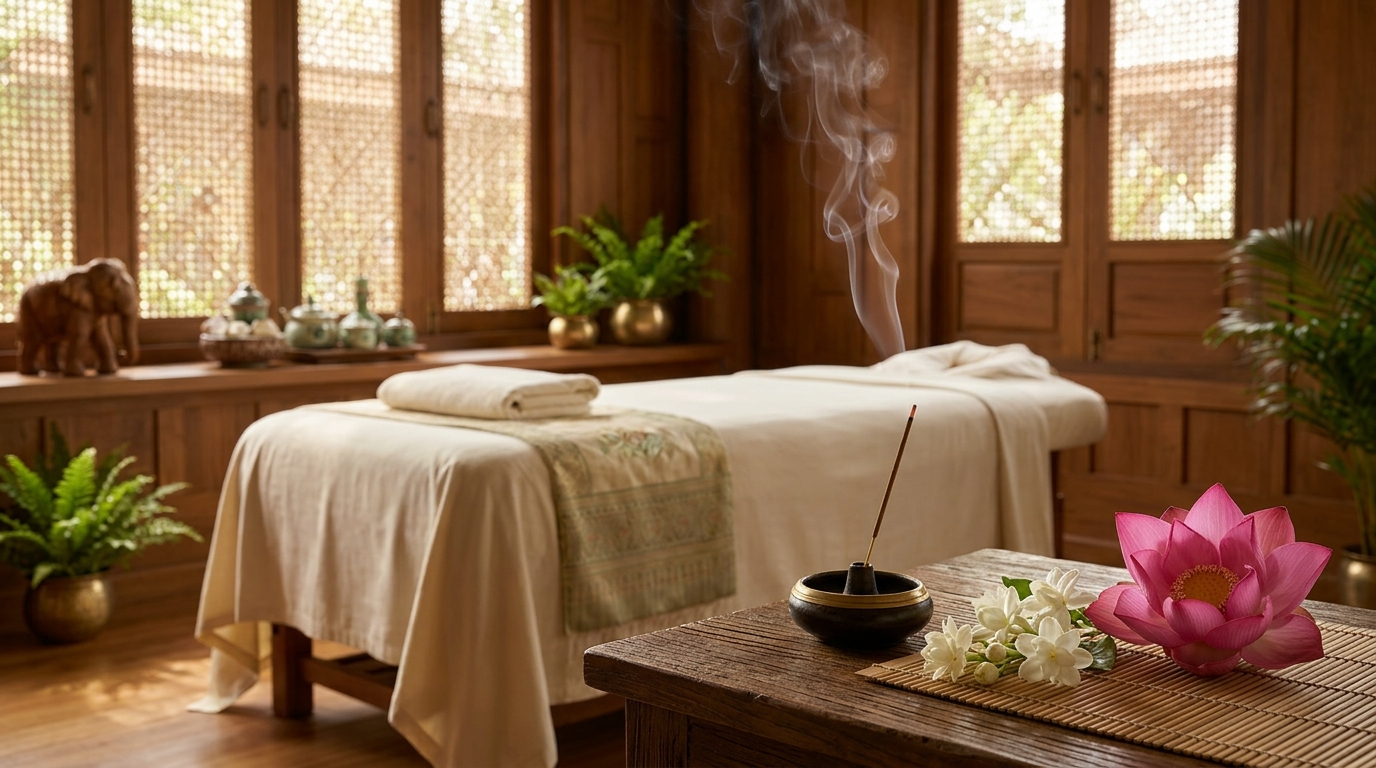
Traditional Thai massage, often called Nuad Thai, is a distinctive bodywork practice that combines rhythmic pressure, assisted movement, and stretching. Depending on the practitioner and treatment style, a session may involve working along traditional energy pathways, moving joints through comfortable ranges, and applying pressure to selected areas of the body.
Rather than treating every season in the same way, a thoughtful self-care routine can vary its emphasis throughout the year.
Hot Season: Gentle Care and Replenishment
Thailand's hot season can make extended physical activity feel more demanding, particularly for people who work outdoors or spend considerable time travelling around the city. During this period, self-care can focus on comfort, hydration, and allowing the body time to recover from daily exertion.
A gentle Thai foot massage may be a relaxing option after a long day of walking. A traditional Thai massage can also be adapted to the client's comfort, with lighter pressure, slower transitions, and stretches that do not create excessive strain.
A simple hot-season wellness routine might include drinking water regularly, taking breaks in shaded or air-conditioned spaces, and choosing massage appointments at a comfortable time of day. Treatments should never feel excessively hot or physically overwhelming.
Rainy Season: Reconnecting With Movement
The rainy season can change commuting habits, exercise schedules, and opportunities to spend time outdoors. When movement becomes less regular, a gentle stretching routine can help people maintain a sense of mobility and body awareness.
Thai massage is often appreciated for its combination of pressure and assisted stretching. Depending on individual needs, a practitioner may focus on areas that feel tight after prolonged sitting, such as the shoulders, hips, calves, or lower back.
A rainy-day self-care ritual might begin with a few minutes of quiet breathing, followed by comfortable mobility exercises or a professionally delivered massage. The emphasis should be on ease rather than intensity. Anyone experiencing pain, swelling, or a recent injury should seek appropriate professional advice before choosing a treatment.
Cool Season: Restoring Energy and Exploring Movement
Thailand's cooler months can provide a welcome opportunity to enjoy outdoor walks, gentle exercise, and more time for restorative activities. This season may also be a suitable time to explore a traditional Thai massage that incorporates a broader range of comfortable stretches.
For people who have been physically active, massage may offer a pleasant way to unwind. For those who spend much of the day sitting, it can provide an opportunity to pause and reconnect with posture, breathing, and movement.
A balanced routine might combine regular walks, light stretching, sufficient sleep, and occasional massage sessions. Rather than trying to maximise every moment of cooler weather, the intention is to enjoy movement while preserving time for recovery.
Lunar Cycles as a Framework for Mindful Self-Care
The Moon has marked the passage of time in many cultures, including communities across Thailand. Lunar calendars influence the timing of important Buddhist observances and numerous local festivals, although customs and their significance vary by region and community.
For modern wellness routines, the lunar cycle can serve as a simple reminder to pause, reflect, and adjust personal habits. There is no established requirement to schedule Thai massage according to a particular moon phase, but some people may find it meaningful to connect their self-care practices with recurring natural rhythms.
New Moon: A Time to Begin Again
The new moon is often used in contemporary wellness settings as a symbol of fresh beginnings. It can inspire a moment to review everyday habits and establish realistic intentions for the weeks ahead.
A new-moon self-care ritual might include a quiet evening, gentle stretching, a warm shower, and a few minutes of mindful breathing. Someone who enjoys Thai massage could use this time to arrange a session focused on relaxation and comfortable movement.
The purpose is not to expect special physiological effects from the lunar phase. Instead, the new moon provides a memorable point in the calendar for returning attention to personal wellbeing.
Full Moon: Reflection and Relaxation
The full moon holds cultural and religious significance in Thailand, most notably through observances such as Makha Bucha and Visakha Bucha, whose dates follow the lunar calendar. It is important to recognise these occasions in their proper cultural and religious contexts rather than treating them solely as wellness trends.
For personal self-care, the full moon can also serve as a reminder to slow down and reflect. A quiet massage appointment, a peaceful evening walk, or a period without digital distractions may help create a sense of separation from everyday demands.
If a massage is part of the routine, choosing pressure and techniques that feel comfortable remains more important than the date itself.
Waning Moon: Making Space for Rest
The waning moon, when the visible illuminated portion gradually decreases, can symbolise a period of simplification and release. As a personal reflection exercise, this phase may encourage people to reduce unnecessary commitments, prioritise sleep, and make room for restorative activities.
A gentle massage, relaxed breathing, or a short evening stretching routine can complement this intention. Those who prefer stronger pressure or more extensive assisted stretching should communicate their preferences clearly to their practitioner and avoid techniques that cause pain.
Waxing Moon: Building Consistency
As the visible Moon grows towards fullness, the waxing phase can represent gradual progress. It offers a useful metaphor for building sustainable habits without making dramatic changes all at once.
For example, someone might begin with a short daily mobility routine, add regular walks, and schedule massage sessions according to personal needs and budget. Small, repeatable habits are often easier to maintain than ambitious wellness plans that demand too much time or energy.
Harvest Traditions and the Meaning of Abundance
Agricultural cycles have shaped community life in Thailand for generations. Rice cultivation, in particular, remains deeply connected to food, livelihoods, regional identity, and cultural traditions. Harvest celebrations and merit-making customs vary across the country, reflecting local histories and religious practices.
These traditions offer a broader lesson for contemporary self-care: wellbeing is not only about effort and improvement. It is also about recognising what has been cultivated, appreciating periods of abundance, and allowing time for recovery.
A harvest-inspired wellness ritual does not need to imitate a specific ceremony. It can simply involve acknowledging personal progress, preparing a nourishing meal, spending time with family, or setting aside an afternoon for rest.
Thai massage can complement this approach by creating a dedicated period in which everyday responsibilities are temporarily set aside. The experience can encourage a greater awareness of physical comfort and the value of caring for oneself consistently.
Before Harvest: Preparing the Body for Activity
Periods of increased activity may bring more walking, lifting, standing, or repetitive movement for people involved in agricultural work and other physically demanding occupations.
For those who are accustomed to massage, a suitably adapted session may be a welcome addition to their recovery routine. The practitioner can adjust pressure, positioning, and stretching to reflect the client's comfort and physical condition.
Massage should not replace adequate rest, hydration, ergonomic practices, or appropriate medical care. Recent strains, injuries, and persistent pain require suitable assessment before treatment.
During Harvest: Supporting Recovery
Harvest periods can be physically demanding, making practical recovery habits especially important. Gentle movement, regular breaks, nourishing meals, and adequate sleep all contribute to a sustainable routine.
A comfortable Thai foot massage or a gentler bodywork session may provide a relaxing pause after physical work. The experience should be adapted to the individual's needs rather than following a fixed sequence of techniques.
For people who are already fatigued, the most appropriate form of self-care may be rest rather than a demanding massage.
After Harvest: Gratitude and Renewal
The completion of a demanding season offers an opportunity to recognise effort and restore everyday balance. A restorative massage, a peaceful walk, or an unhurried evening can become part of a personal ritual of renewal.
This stage also provides time to reflect on what worked well and what might need to change. Perhaps the next season calls for more consistent stretching, better sleep habits, or fewer commitments during particularly busy periods.
The harvest metaphor reminds us that rest is not a reward that must be earned through exhaustion. It is an essential part of maintaining a sustainable relationship with work, movement, and personal wellbeing.
Creating a Seasonal Thai Massage Ritual at Home
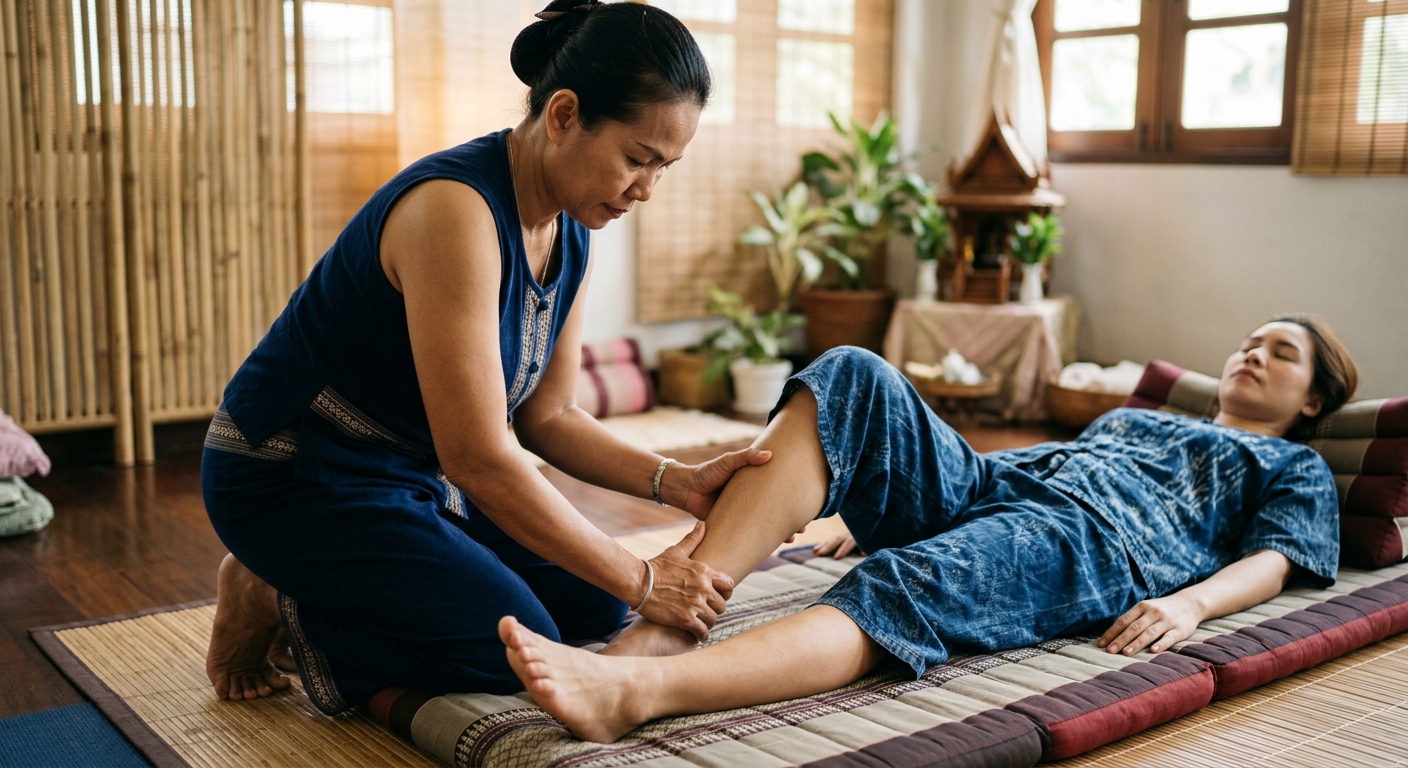
Professional massage can be complemented by simple self-care practices that fit into everyday life. The following routine combines seasonal awareness with practical habits without requiring specialised equipment or extensive preparation.
- Observe how you feel. Before choosing a treatment, consider your energy levels, sleep quality, daily activities, and any areas of discomfort. Let your physical condition guide your choices rather than the season or lunar phase alone.
- Begin with mindful breathing. Spend two to five minutes breathing comfortably in a quiet space. There is no need to force deep breaths; the aim is simply to transition away from the pace of everyday tasks.
- Add gentle movement. Try comfortable shoulder rolls, ankle circles, or easy standing movements. Avoid forceful stretches, especially when the body feels tired or stiff.
- Choose an appropriate massage. If booking a Thai massage, tell the practitioner about your preferences, health concerns, recent injuries, and desired pressure. A good session should be adapted to you, not imposed according to a calendar.
- Finish with rest and hydration. Allow a little time after the session to relax, drink water according to your needs, and notice how you feel before returning to demanding activities.
- Reflect on the cycle. At the end of the week or lunar month, consider which habits helped you feel more comfortable and which were difficult to maintain. Adjust your routine gradually.
Choosing the Right Thai Massage for Your Needs
Different massage approaches may suit different preferences and physical circumstances.
Traditional Thai massage generally involves pressure and assisted stretching, with the intensity and movements adapted by the practitioner. Thai foot massage may appeal to people who want focused attention on their feet and lower legs, especially after extensive walking. Oil massage, where offered, typically uses gliding movements and may suit those who prefer a less stretch-focused experience.
No treatment is automatically best for a particular season or lunar phase. The right choice depends on individual comfort, the practitioner's training, and the client's current needs.
People who are pregnant, have a history of blood clots, have osteoporosis or significant cardiovascular conditions, take anticoagulant medication, or have recently undergone surgery should seek appropriate medical guidance and inform the practitioner before receiving massage. Forceful techniques may be unsuitable in some circumstances. Stop a treatment if it causes sharp pain, numbness, dizziness, or other concerning symptoms.
Bringing Nature's Rhythm Into Modern Bangkok Life
Life in Bangkok often moves quickly. Work schedules, traffic, digital communication, and family responsibilities can make it difficult to maintain consistent wellness habits. Seasonal and lunar-inspired self-care offers a gentle way to introduce recurring moments of reflection into an otherwise busy calendar.
Rather than viewing wellbeing as a complicated programme, people can use familiar milestones to remember simple actions: stretch after a long day, take a break during hot weather, schedule rest after a demanding period, or set a realistic intention at the beginning of a new lunar month.
Thai massage can be one part of this approach, combining traditional bodywork with a contemporary appreciation for rest and body awareness. Its value lies not in promising that the Moon or harvest cycle will produce specific physical effects, but in providing an opportunity to slow down and pay attention to individual needs.
Conclusion: A More Thoughtful Approach to Self-Care
Seasonal self-care invites us to recognise that our needs may change throughout the year. Thailand's agricultural heritage, lunar calendar, and traditional massage practices offer different sources of inspiration for creating meaningful wellness rituals.
By combining comfortable Thai massage, mindful movement, sufficient rest, and small seasonal adjustments, it is possible to build a routine that feels personal and sustainable. Whether inspired by the renewal of the new moon, the reflection associated with the full moon, or the gratitude of the harvest season, the most important principle remains the same: care for the body with attention, respect, and consistency.
In a city that rarely stands still, a thoughtfully chosen Thai massage session can be a simple reminder to pause, reconnect, and make space for wellbeing—one season at a time.