
In a city as energetic and fast-paced as Bangkok, finding time to slow down can be one of the greatest forms of self-care. While Thai massage is widely recognized for helping release muscular tension and improve flexibility, its benefits can extend beyond the physical body. For many people, a traditional Thai massage session provides an opportunity to pause, breathe, reconnect with the body, and create space for mental relaxation.
Thai massage has long been part of Thailand’s traditional healing culture. Modern research also suggests that Thai massage may help reduce certain indicators of psychological stress and support relaxation, although more research is needed to understand its long-term effects.
Understanding the Connection Between Body and Mind
Stress rarely affects only the mind. A demanding schedule, prolonged screen time, lack of sleep, and everyday responsibilities can contribute to physical tension, particularly around the neck, shoulders, back, and hips.
This creates a close relationship between physical discomfort and mental fatigue. When the body remains tense, it can become difficult to fully relax. Conversely, when the mind is constantly active, the body may also remain physically guarded.
Thai massage approaches wellness as a whole rather than treating relaxation as something separate from physical wellbeing. Through assisted stretching, rhythmic pressure, and controlled movements, a session can encourage awareness of the body while creating an environment where the mind can slow down.
How Thai Massage May Help Relieve Stress
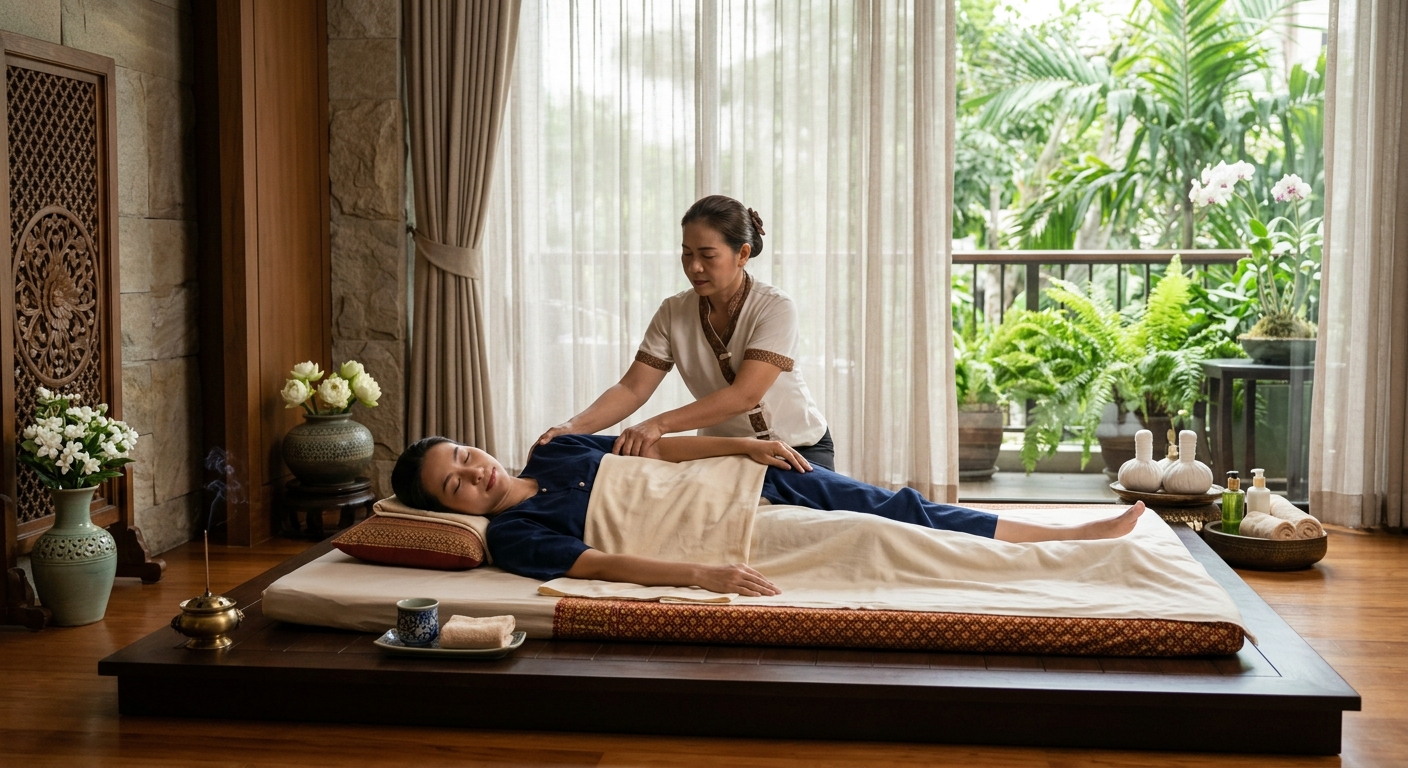
Traditional Thai massage combines pressure techniques with passive stretching and movement. Instead of simply lying still while receiving massage, the recipient may experience a sequence of guided movements designed to work with different areas of the body.
Research into traditional Thai massage has found promising short-term effects related to psychological stress. One controlled study involving healthy participants found that a one-hour Thai massage session was associated with changes in stress-related biomarkers and measures of psychological stress.
Another randomized study found that traditional Thai massage was associated with reductions in anxiety and muscle tension and improvements in several stress-related measures among participants with back pain and myofascial trigger points.
These findings do not mean that Thai massage is a treatment for mental health conditions. Rather, they highlight how massage may form part of a broader approach to relaxation and wellbeing.
1. Releasing Physical Tension
One of the most noticeable effects of Thai massage is often the feeling of reduced physical tension.
Stress can encourage people to unconsciously tighten the shoulders, clench the jaw, or maintain tension throughout the back and neck. Thai massage uses pressure and assisted stretching to work with areas of muscular tightness.
When physical tension begins to ease, many people find it easier to settle into a state of relaxation. This creates an important connection between physical comfort and mental wellbeing.
2. Encouraging Mindful Awareness
A Thai massage session can also encourage you to become more aware of your breathing, posture, movement, and physical sensations.
Instead of thinking about emails, deadlines, traffic, or tomorrow’s schedule, your attention naturally returns to what is happening in the body at that moment.
This quality of presence is similar to an important principle of mindfulness: focusing attention on the present rather than constantly moving between past concerns and future responsibilities.
Thai massage should not be considered a substitute for meditation or professional mental health care, but the quiet and body-focused nature of a session can complement other mindfulness practices.
3. Creating Space to Slow Down
Sometimes the greatest benefit of massage is simply having permission to stop.
Modern life often encourages constant productivity. Even moments of rest can be filled with phones, social media, messages, and notifications. A massage appointment creates a dedicated period in which you can step away from those distractions.
The experience becomes more than a physical treatment. It can become a small ritual of slowing down.
For visitors to Bangkok, this can be particularly valuable after a busy day of sightseeing, shopping, meetings, or exploring the city.
4. Supporting Relaxation Through Breath and Rhythm
The pace of a massage can influence how relaxed the experience feels. Slow, rhythmic movements and a calm treatment environment can encourage deeper breathing and a greater sense of physical ease.
Breathing naturally tends to receive more attention when the body becomes quieter. Taking slow, comfortable breaths during a massage can help reinforce the feeling of relaxation.
Rather than trying to force yourself to “clear your mind,” simply noticing your breathing and allowing your body to become comfortable can make the experience more restorative.
5. Reconnecting With the Body
Mental stress can sometimes make people feel disconnected from their physical needs. Hours spent working at a desk, traveling, or looking at screens can make it easy to ignore stiffness and fatigue until they become difficult to overlook.
Thai massage encourages you to pay attention to how your body feels.
You may notice areas of tension that you had previously overlooked, recognize differences in flexibility, or become more aware of how you hold your shoulders and neck.
This awareness can encourage better self-care habits outside the massage room as well.
6. Physical Relaxation and Mental Wellbeing
The relationship between physical and mental relaxation is an important part of the Thai massage experience.
Research involving people with fatigue or depleted energy found that both Thai and Swedish massage were associated with benefits such as relaxation, stress relief, improved sleep, and reduced muscular tension. The study also reported distinctive energizing and mentally stimulating effects among participants receiving Thai massage.
This illustrates why massage does not necessarily have to leave you feeling sleepy. Depending on the person and the style of treatment, Thai massage can create a sense of relaxation while also leaving the body feeling more mobile and refreshed.
Thai Massage as Part of a Holistic Wellness Routine
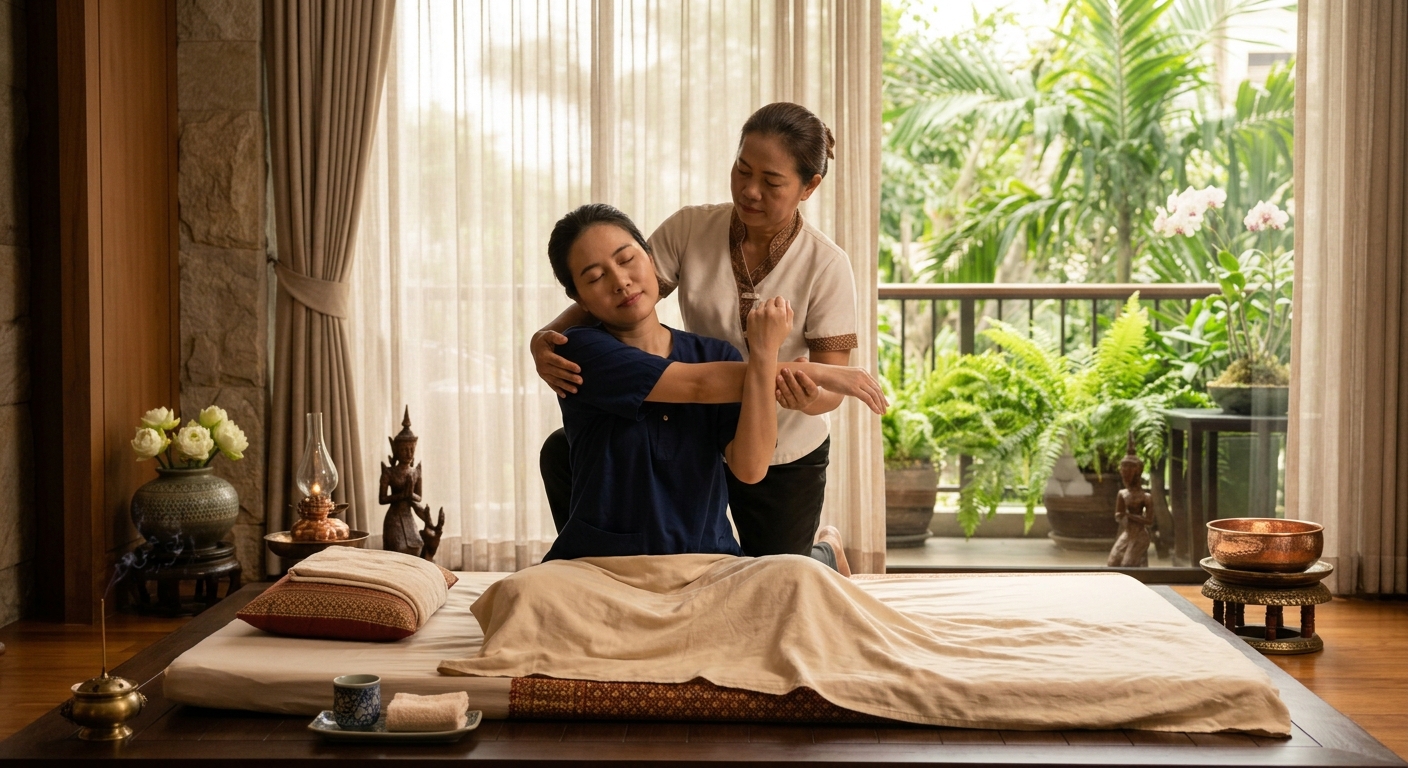
A single massage can provide a valuable opportunity to relax, but a holistic approach to wellbeing extends beyond occasional treatments.
Consider combining Thai massage with other healthy habits such as:
- Regular physical activity and gentle stretching
- Mindful breathing or meditation
- Consistent and restorative sleep
- Time away from digital devices
- Balanced nutrition and hydration
- Spending time outdoors
- Maintaining meaningful social connections
- Taking regular breaks during demanding workdays
The goal is not to use massage as a solution to every source of stress. Instead, it can become one component of a broader wellness routine that supports both physical and mental balance.
Choosing the Right Thai Massage Experience in Bangkok
Not every Thai massage experience is identical. Different practitioners and massage centers may offer different approaches, environments, durations, and levels of pressure.
When choosing a massage in Bangkok, consider:
- Your wellness goals: Are you looking primarily for relaxation, flexibility, recovery from physical activity, or relief from muscular tension?
- Massage intensity: Communicate your preferred pressure level with your therapist. A relaxing experience should not require you to tolerate unnecessary discomfort.
- Treatment environment: A calm, clean, and comfortable environment can make it easier to disconnect from the outside world.
- Therapist communication: A professional therapist should be willing to discuss your preferences and any areas that require special attention.
- Your physical condition: If you have an injury, significant pain, or a medical condition, speak with an appropriate healthcare professional before receiving massage.
Making the Most of Your Massage
Your experience does not have to begin when the massage starts. Give yourself a few minutes to transition from your daily routine into a more relaxed state.
Arrive without rushing whenever possible. Put your phone away. Take a few slow breaths and let your therapist know if you have specific areas of tension or preferences regarding pressure.
During the treatment, try not to judge whether you are “relaxing correctly.” Your mind may wander. That is normal. Simply return your attention to your breathing, the movement of the body, or the sensation of the massage.
Afterward, give yourself a little time before immediately returning to a busy schedule.
A Moment of Wellness in the Heart of Bangkok
Thai massage represents more than a traditional technique. For many people, it is an opportunity to reconnect with the body and create a temporary pause from the demands of everyday life.
Scientific evidence suggests that traditional Thai massage may contribute to short-term reductions in psychological stress and improvements in certain stress-related measures, while broader research continues to explore its potential benefits.
In the middle of Bangkok’s energy and constant movement, taking time to slow down can be a meaningful part of a healthy lifestyle. Whether you are a local resident or visiting Thailand for the first time, Thai massage offers a distinctive way to experience relaxation through movement, touch, breath, and mindful attention.
Wellness does not always require doing more. Sometimes, it begins with simply taking a moment to pause.