Choosing a Thai Massage When You Want a Break From Stress
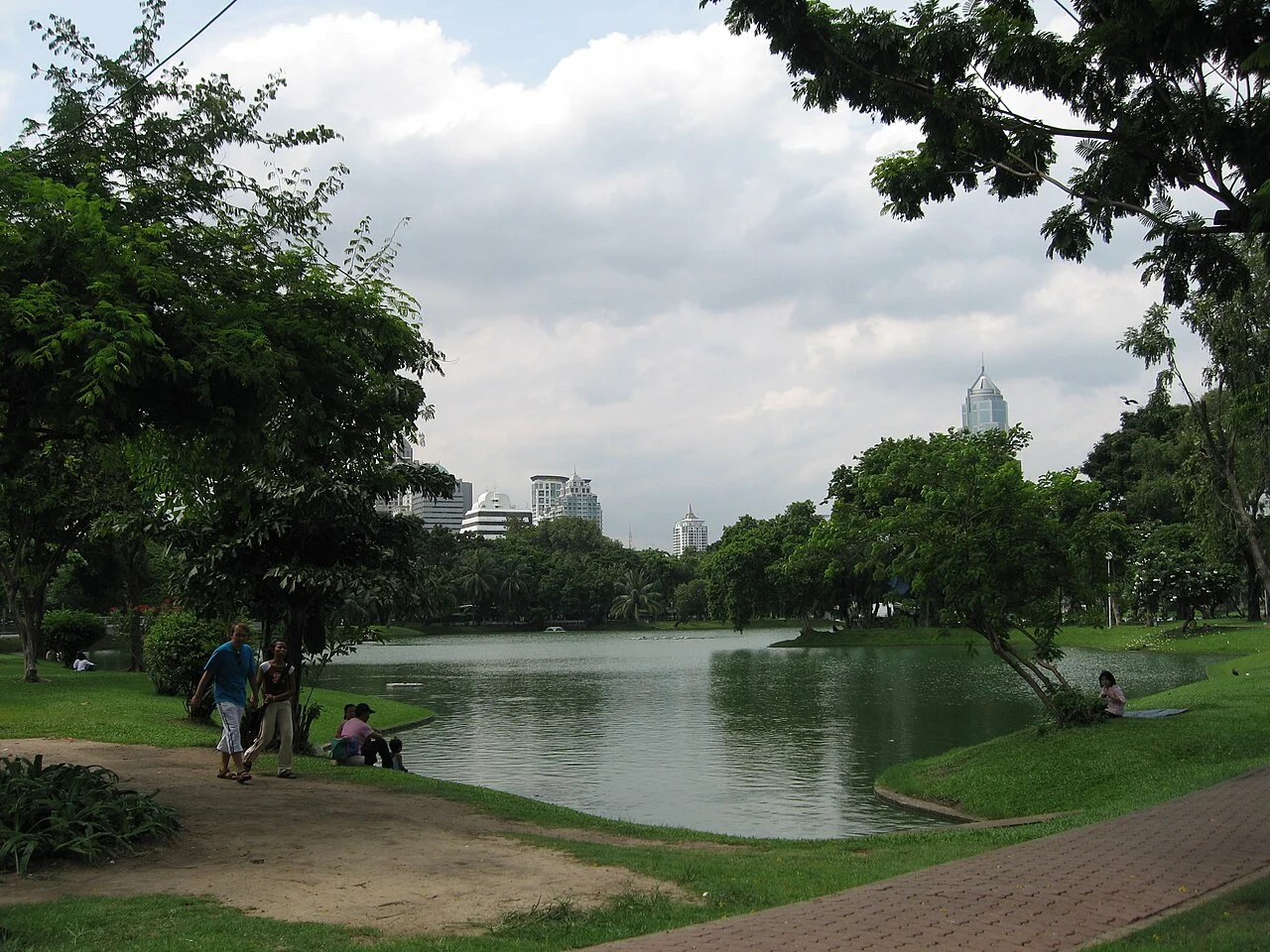

An appointment chosen for relaxation can become one more deadline if it ends five minutes before a dinner reservation. In Bangkok, the journey, the room and the pace of the session may do as much to shape your experience as the treatment name.
Protect the time on either side
Choose a branch close to where you will already be. Ask when you should arrive and whether the listed duration includes changing or consultation. A shorter treatment with room to breathe afterwards can suit a busy evening better than a longer one that leaves you watching the clock.
Tell the therapist what calm means to you
For one guest it means predictable pressure and very little conversation. For another it means hearing an explanation before changing position. “I would like steady pressure and no stretches today” gives the therapist a workable brief. You can still revise that request after the first few minutes.

Judge the visit on your own terms
Did you have a comfortable hour? Were your requests respected? Those are outcomes you can actually observe. If stress is affecting work, sleep or daily life over time, a spa appointment can sit alongside more appropriate support.
Separate quiet time from pressure preference
Someone can want a quiet room and quite firm pressure. Someone else may want soft contact but find total silence uncomfortable. Say which matters to you rather than choosing a treatment simply because its name includes “relaxing”. If the journey back is stressful, compare a nearby studio with a more elaborate treatment across town before extending the session.